The Citadel: a trilogy
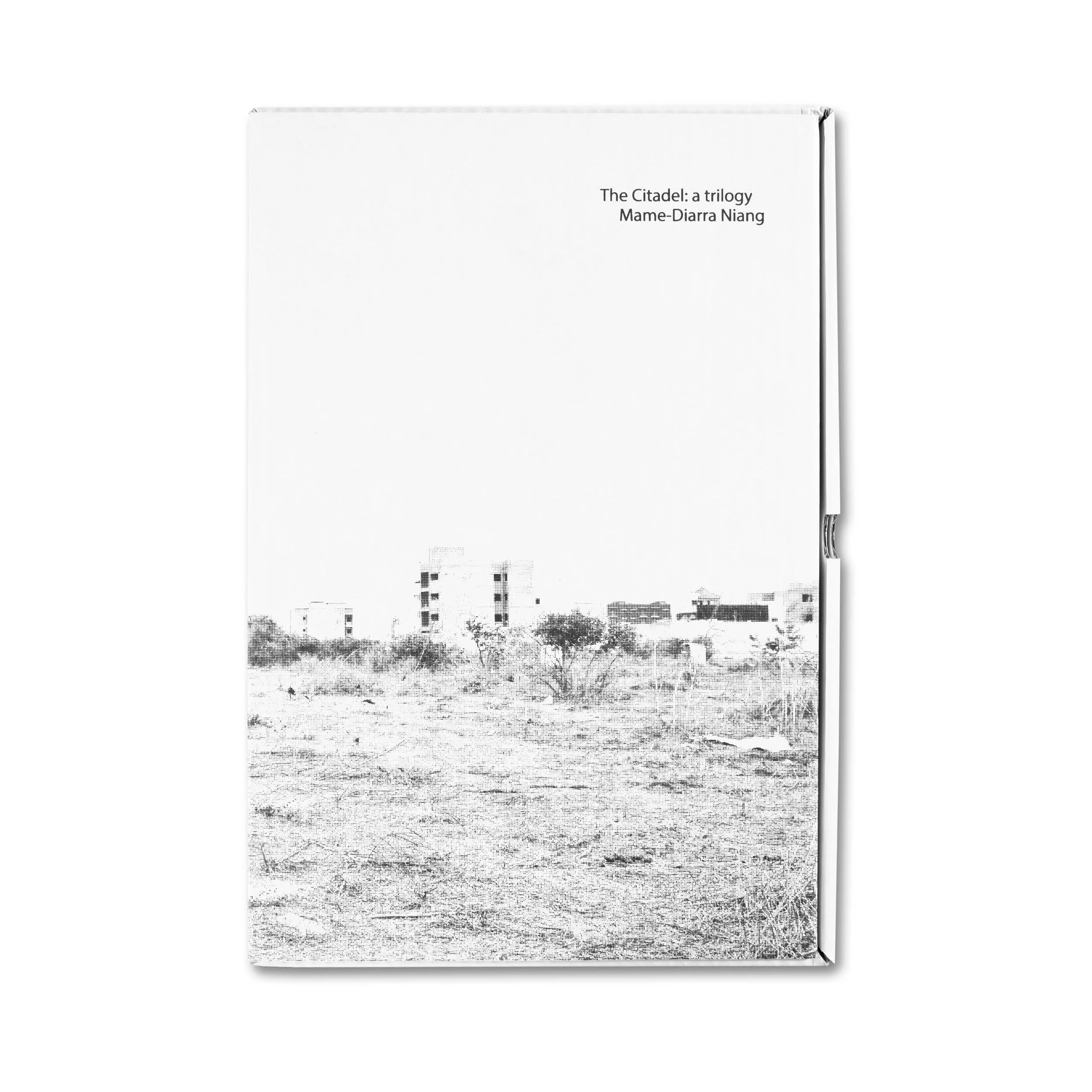
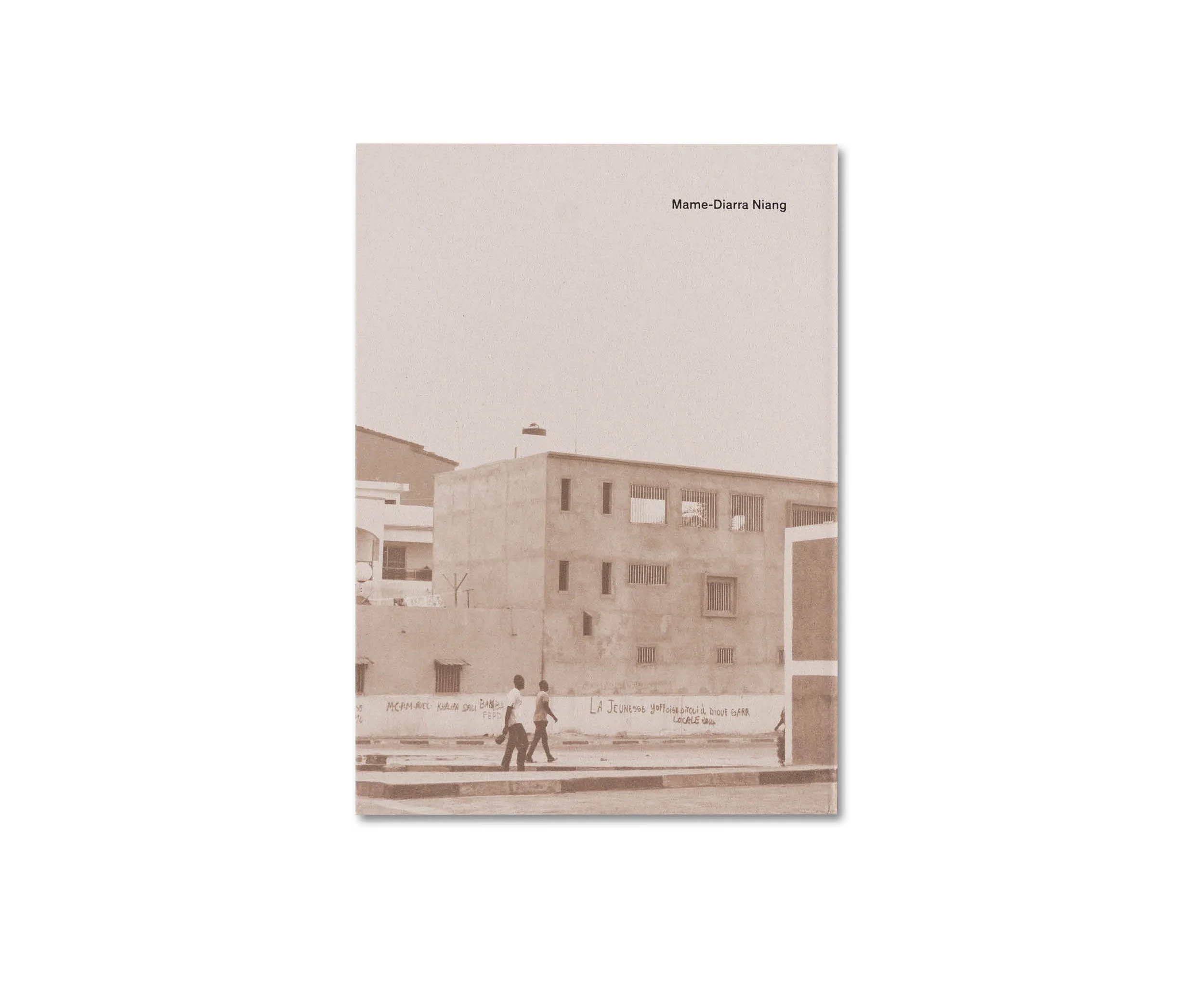
The Citadel is the story of an inner journey, told in three movements. It maps a route through discovery, loss, and renewal across landscapes equally real and imagined by the artist. In 2007, Mame-Diarra Niang returned to Senegal to bury her father after spending years away living in France. Her intimate interest in the notion of territory translates into a refracted representation of the landscapes she rediscovered on this visit. The places before Niang’s lens are at once forensically studied and transformed into fabular non-places.
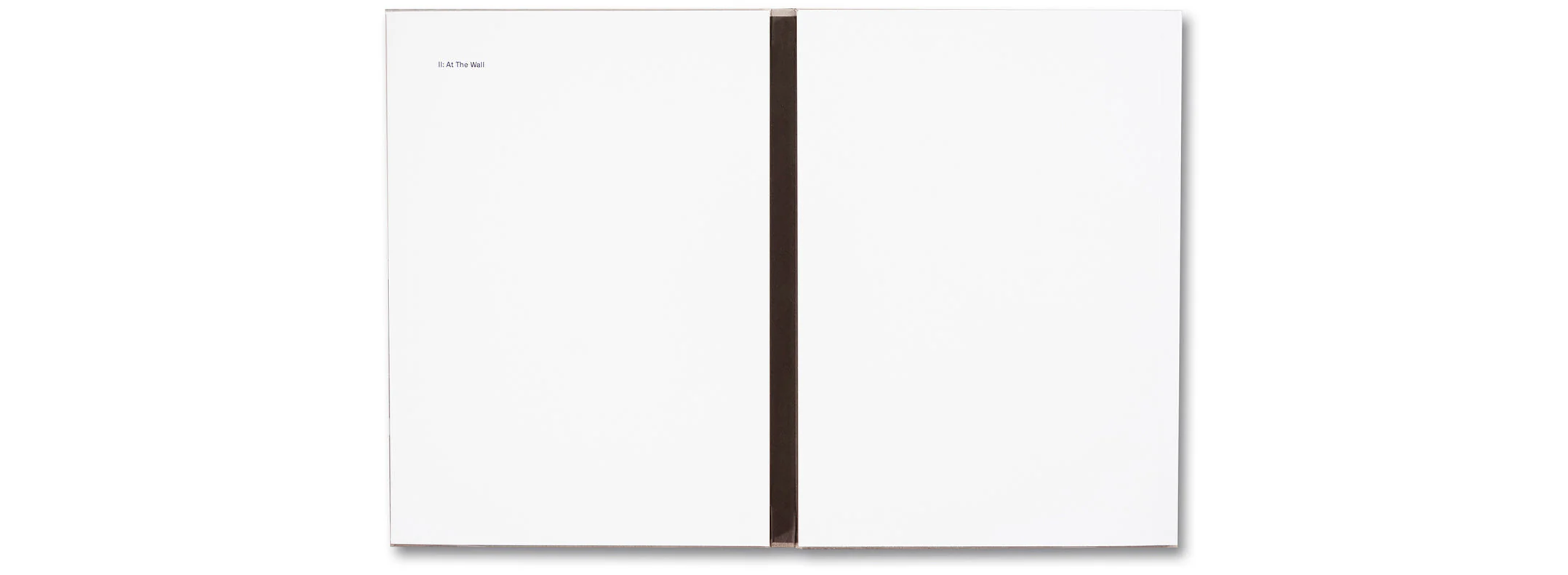
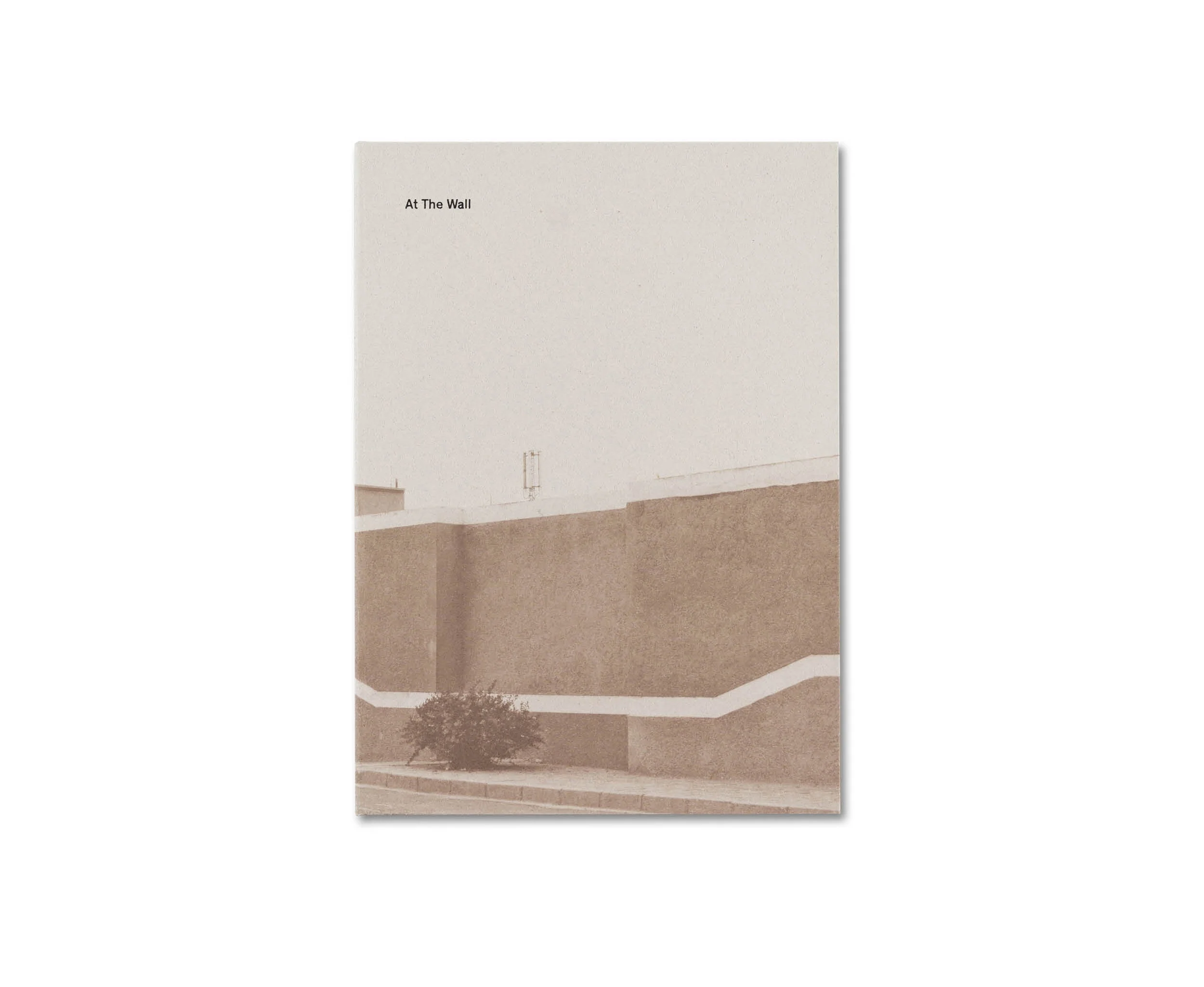
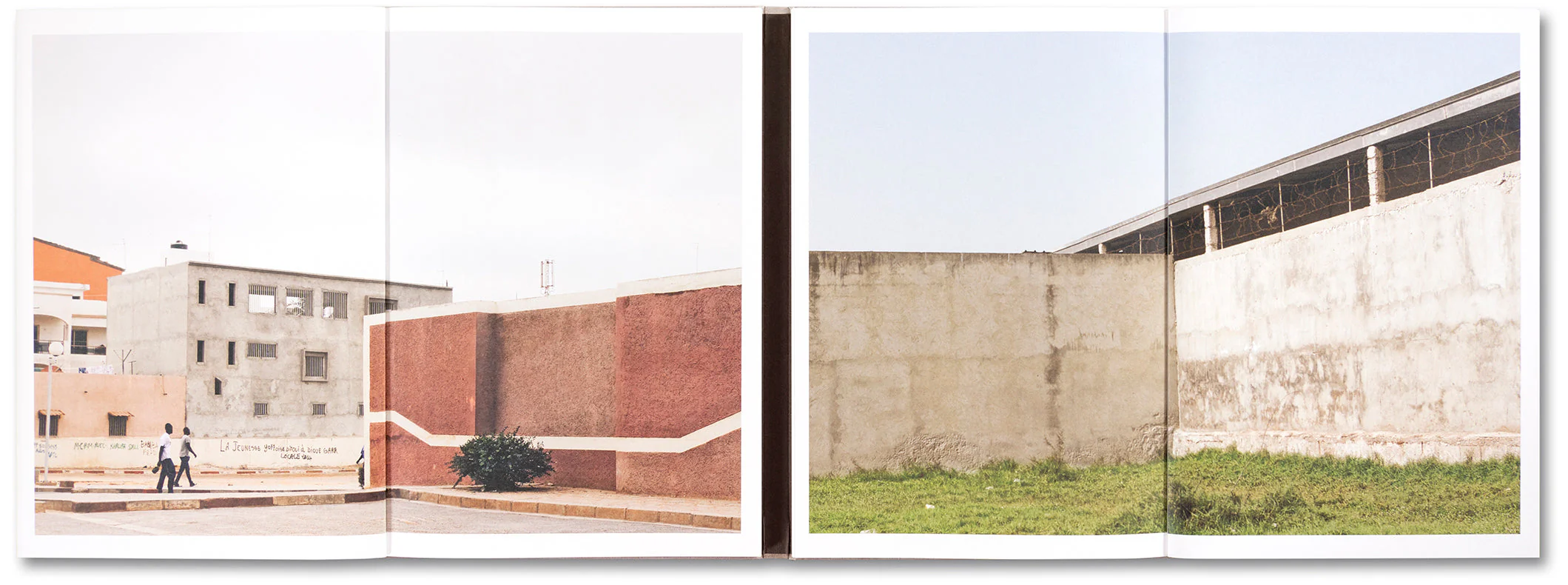
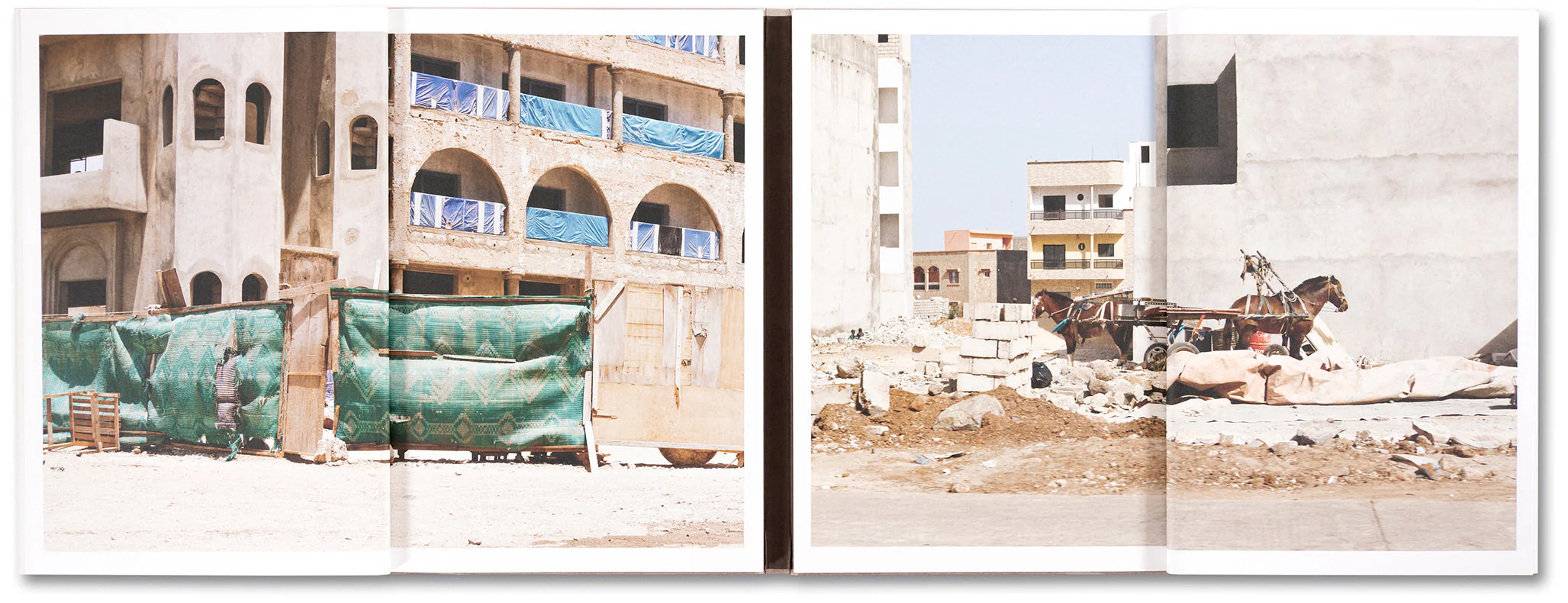
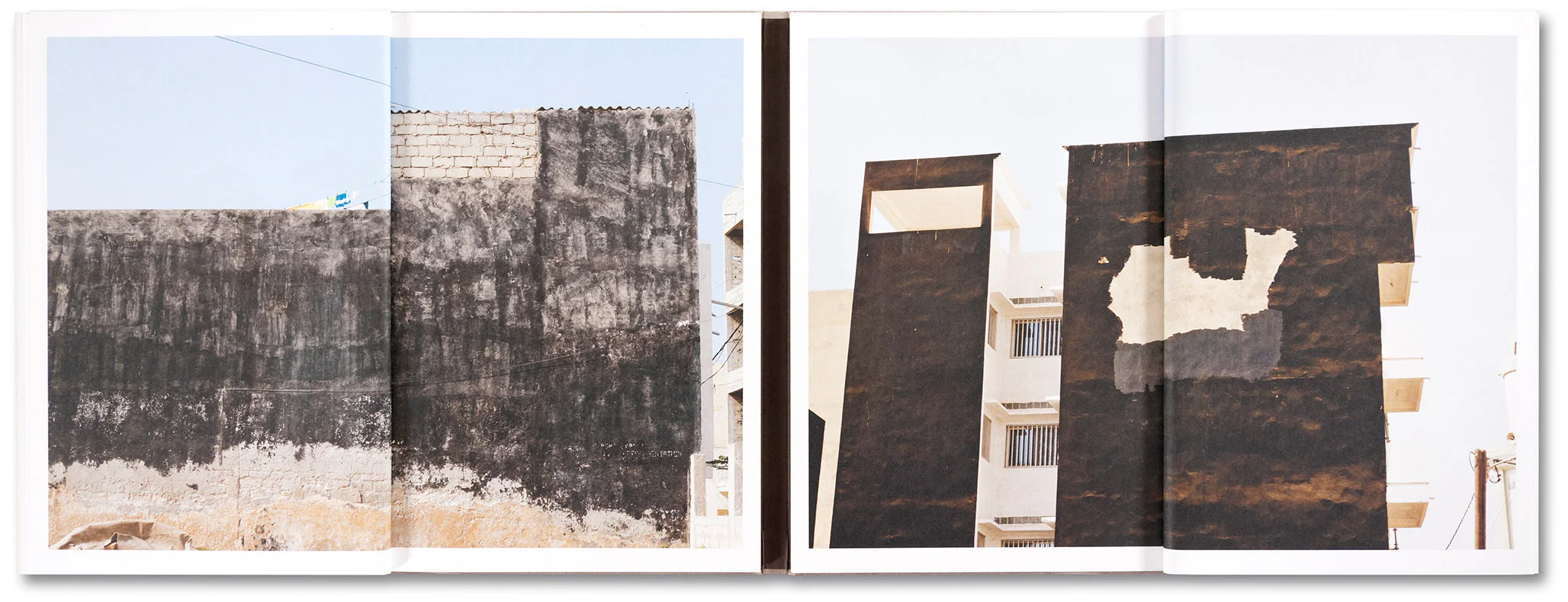
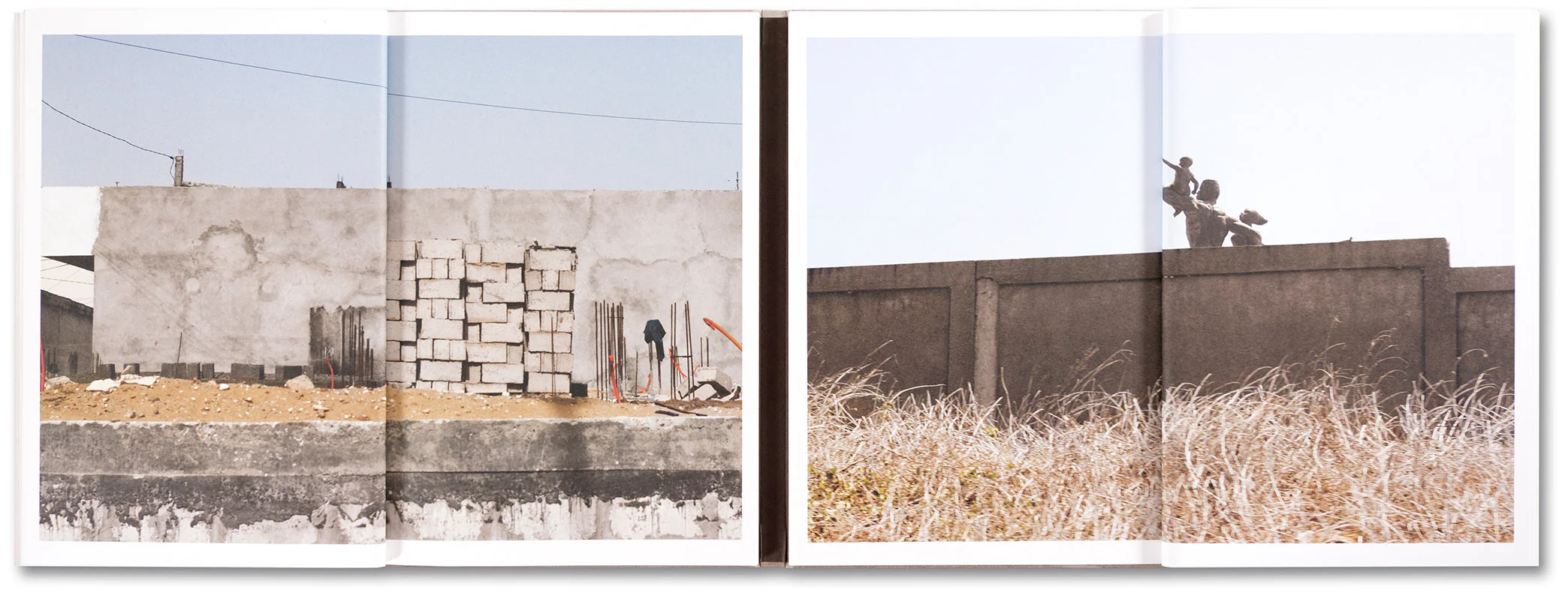
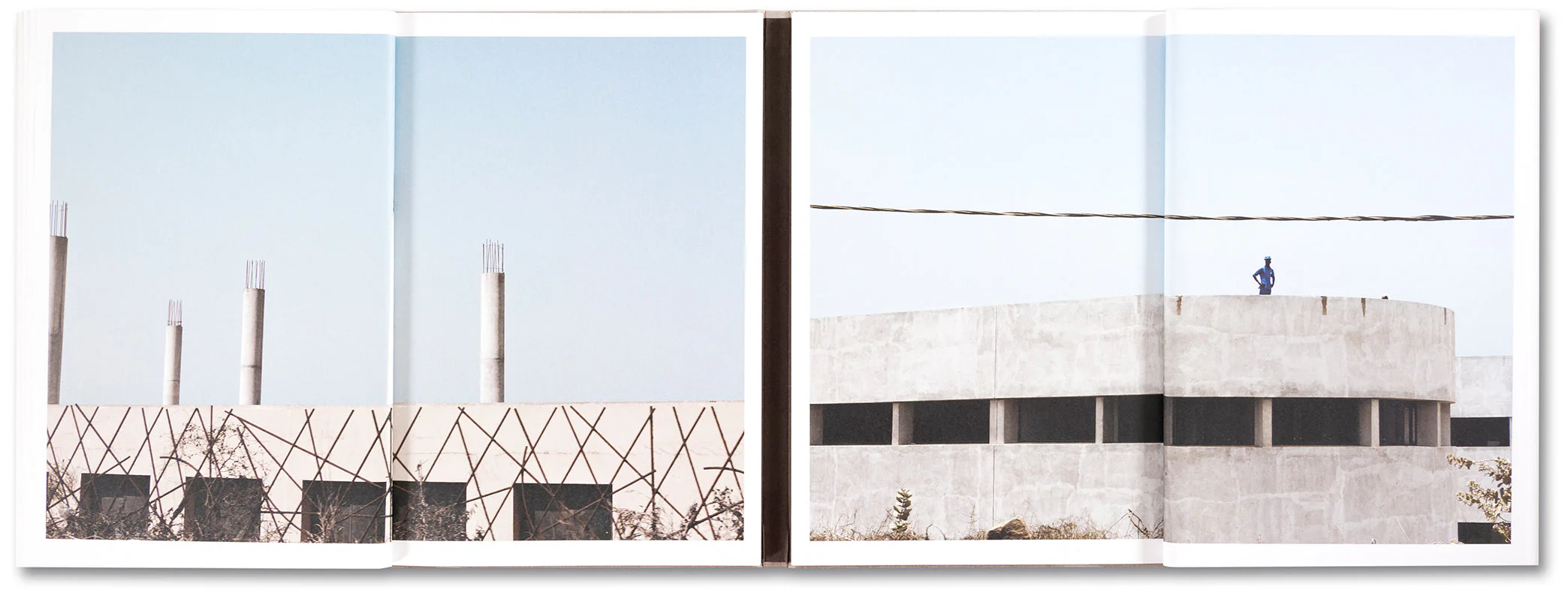
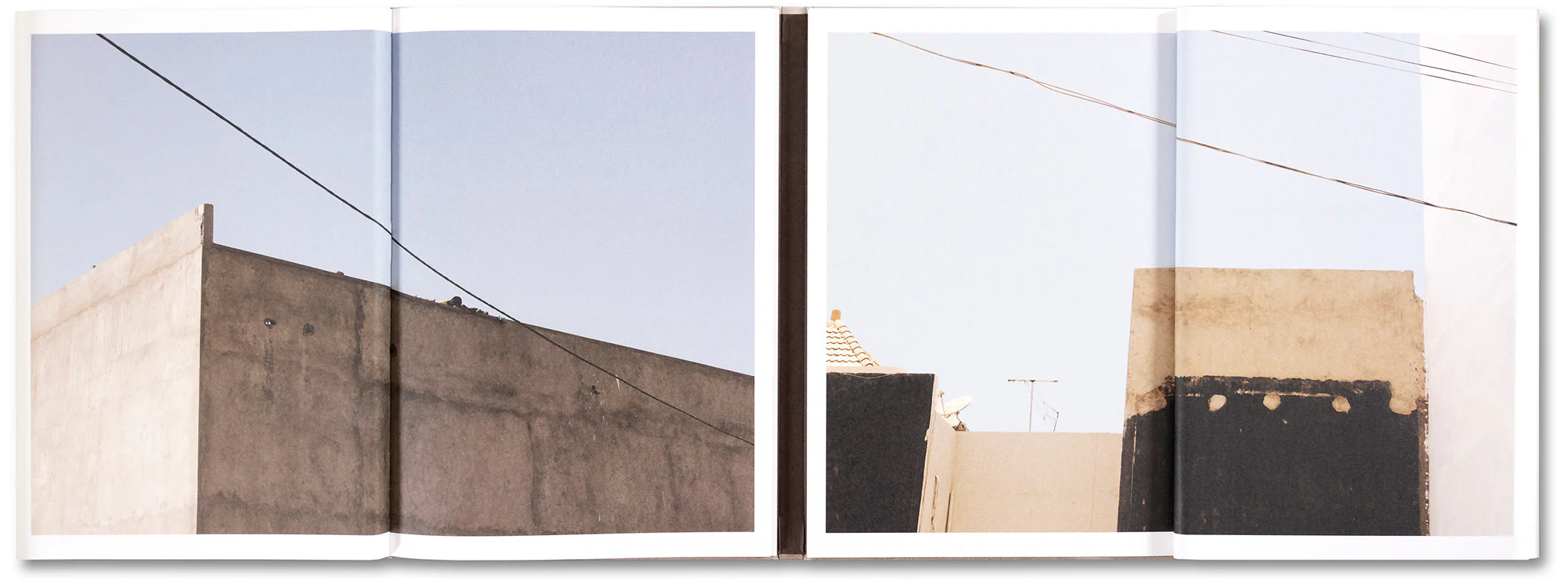
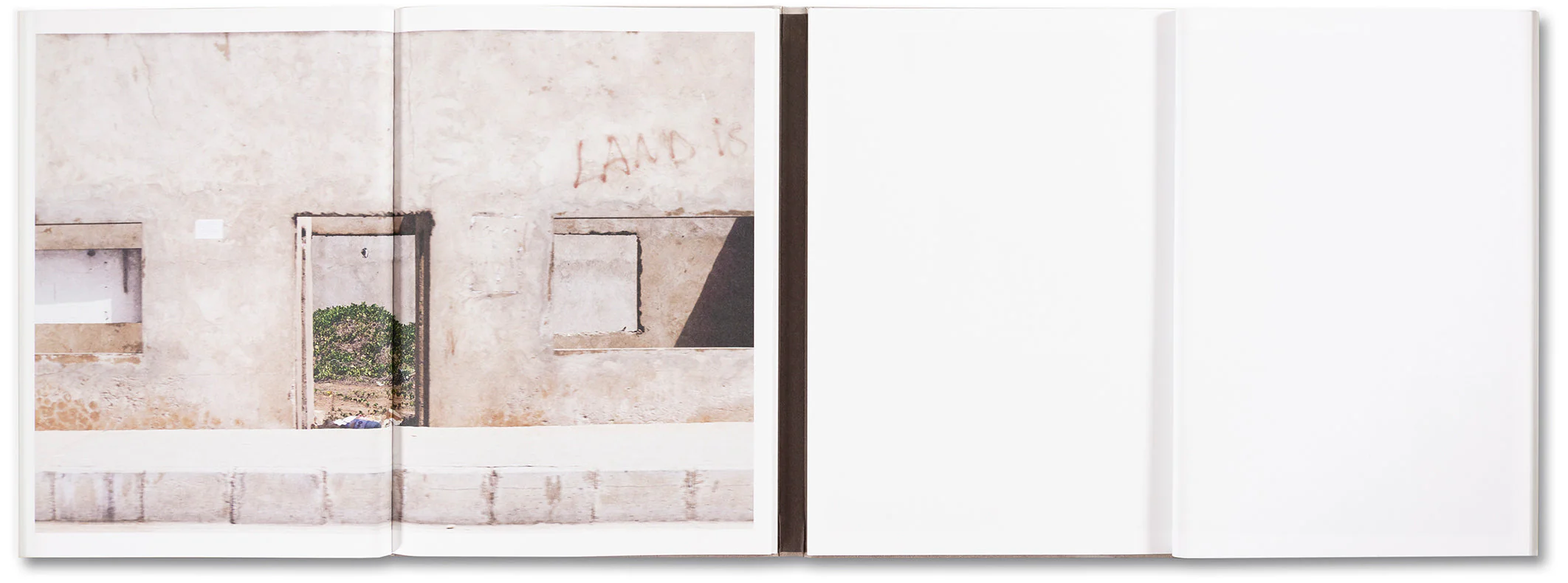
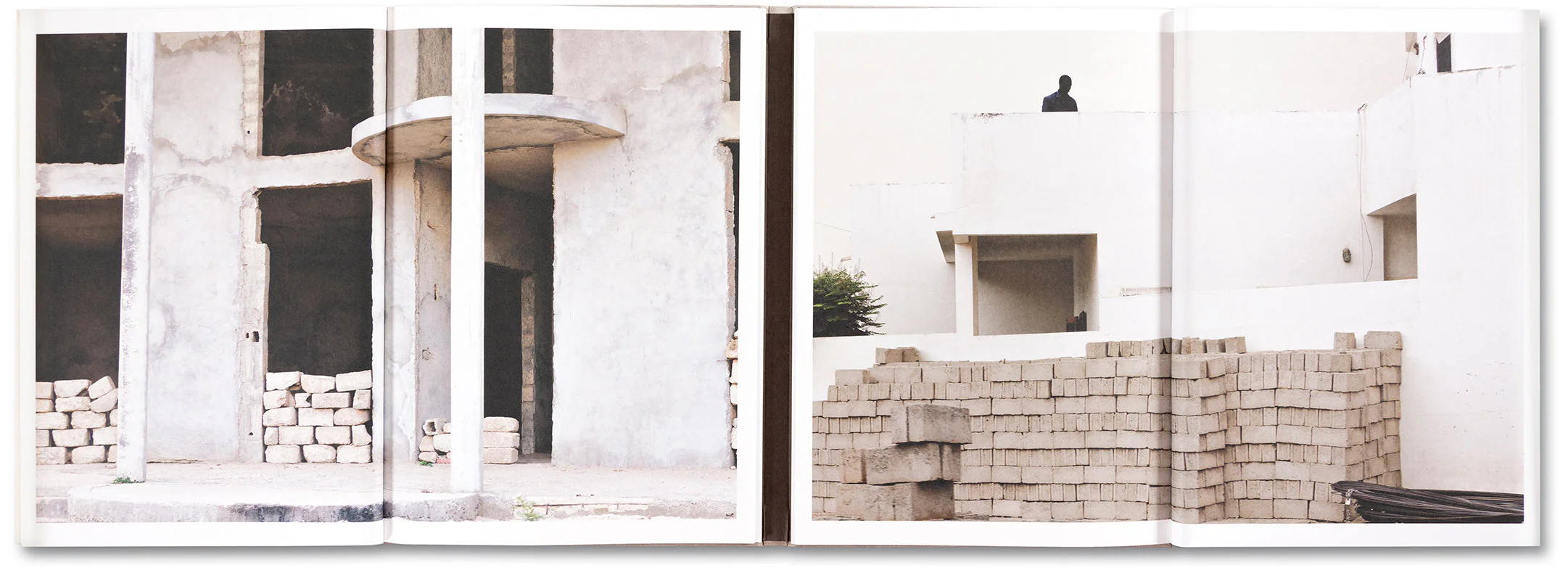
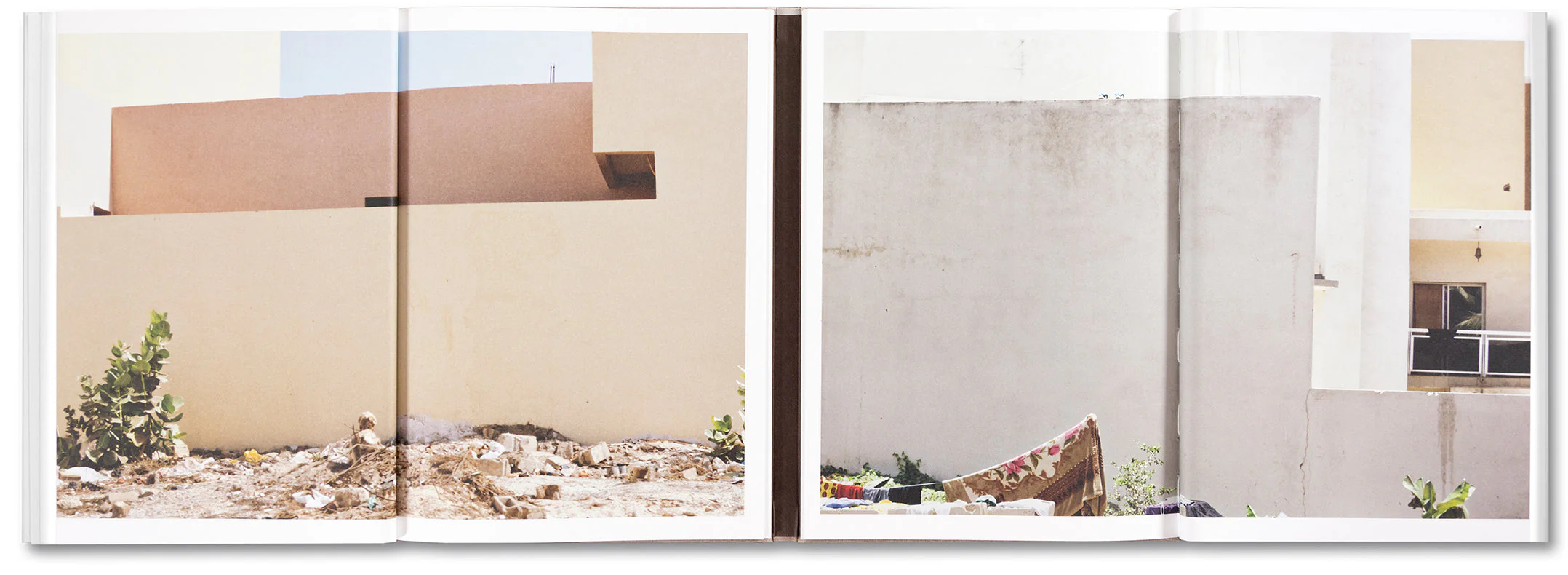
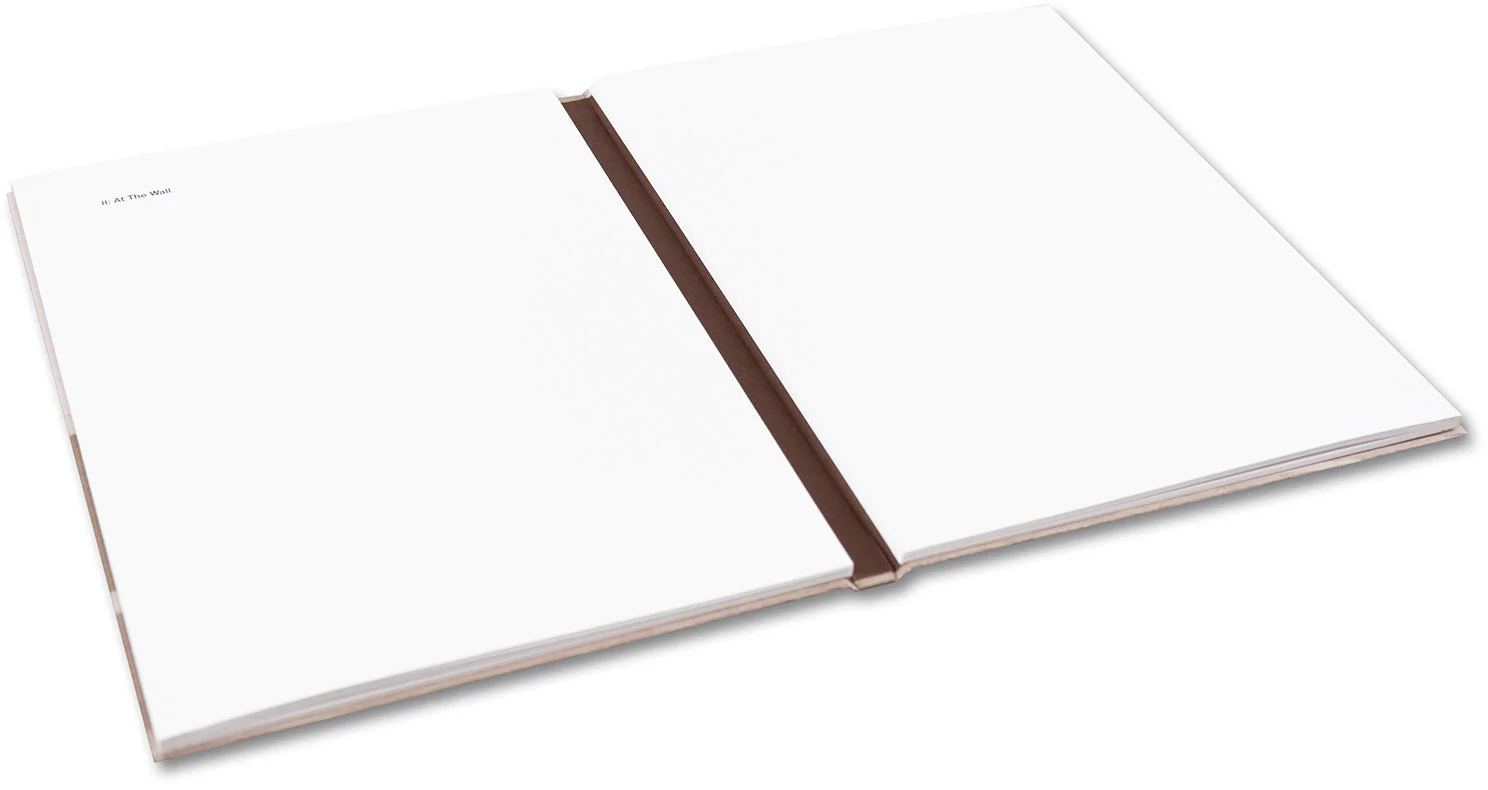
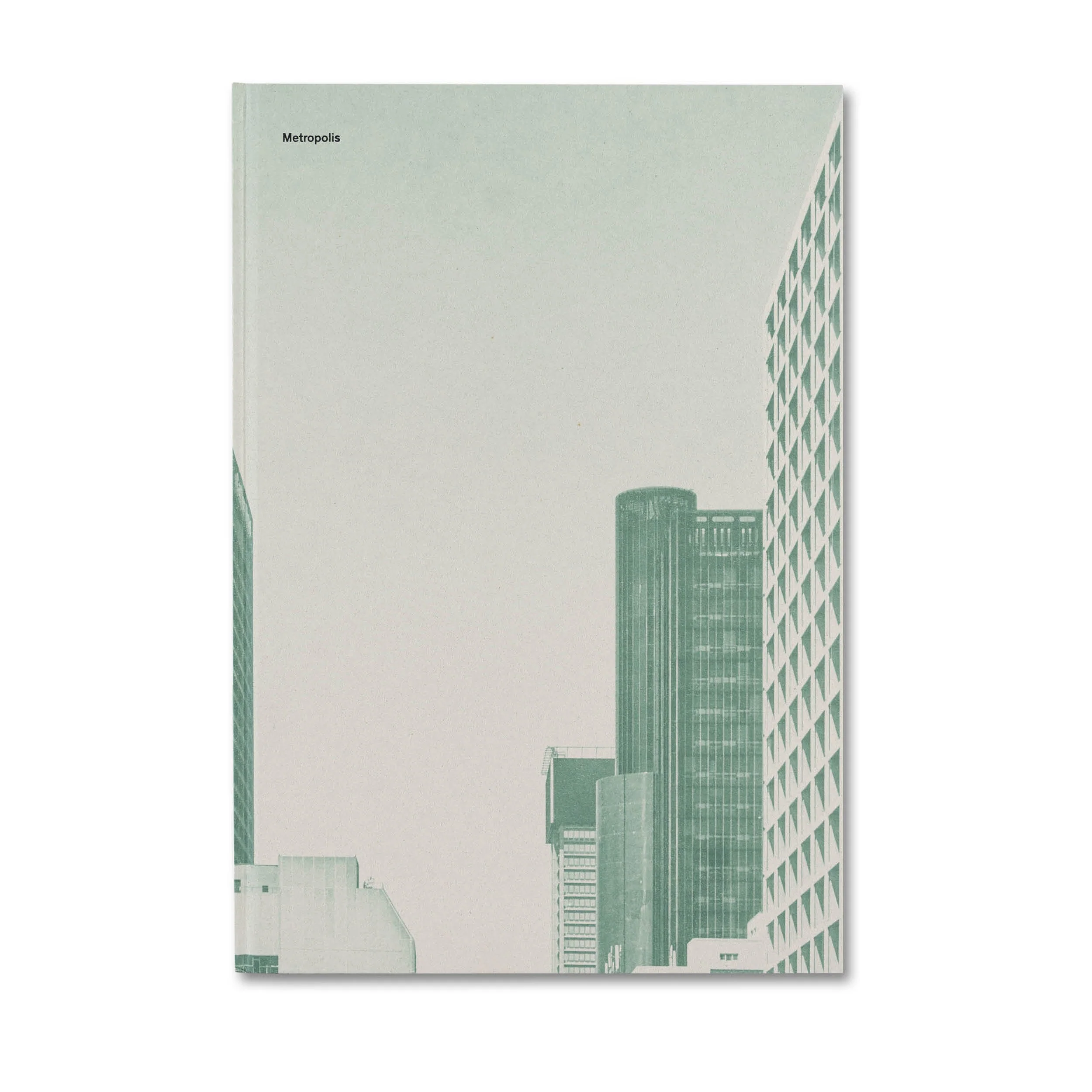
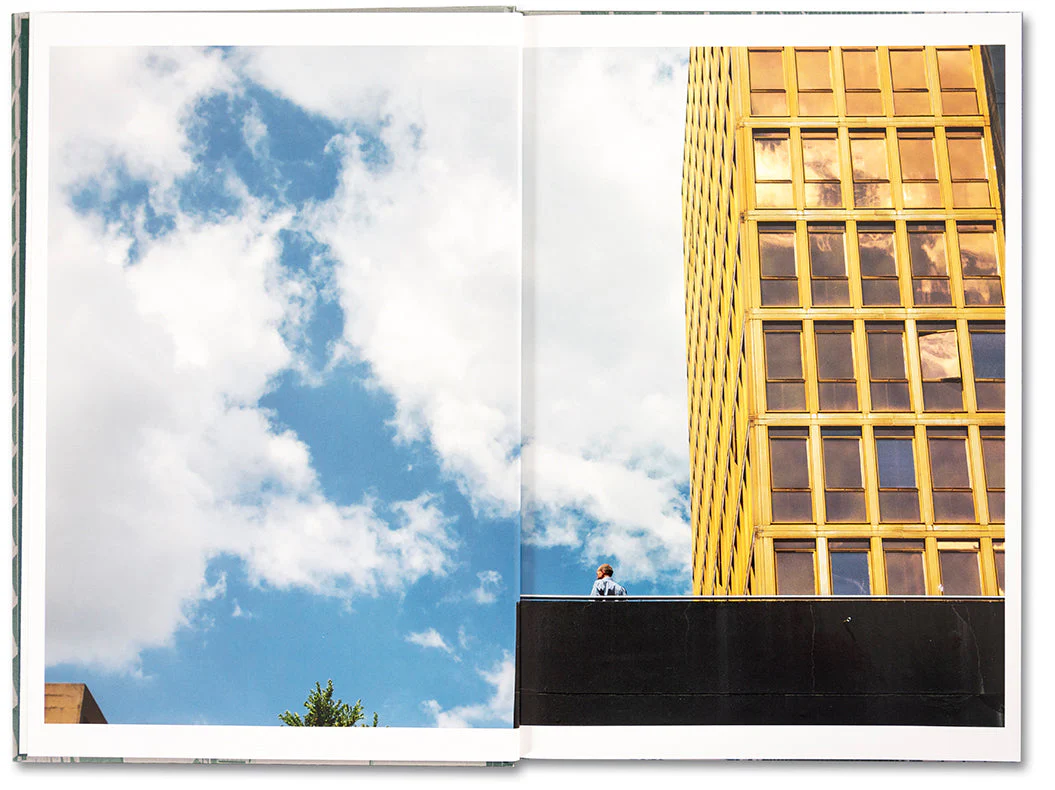
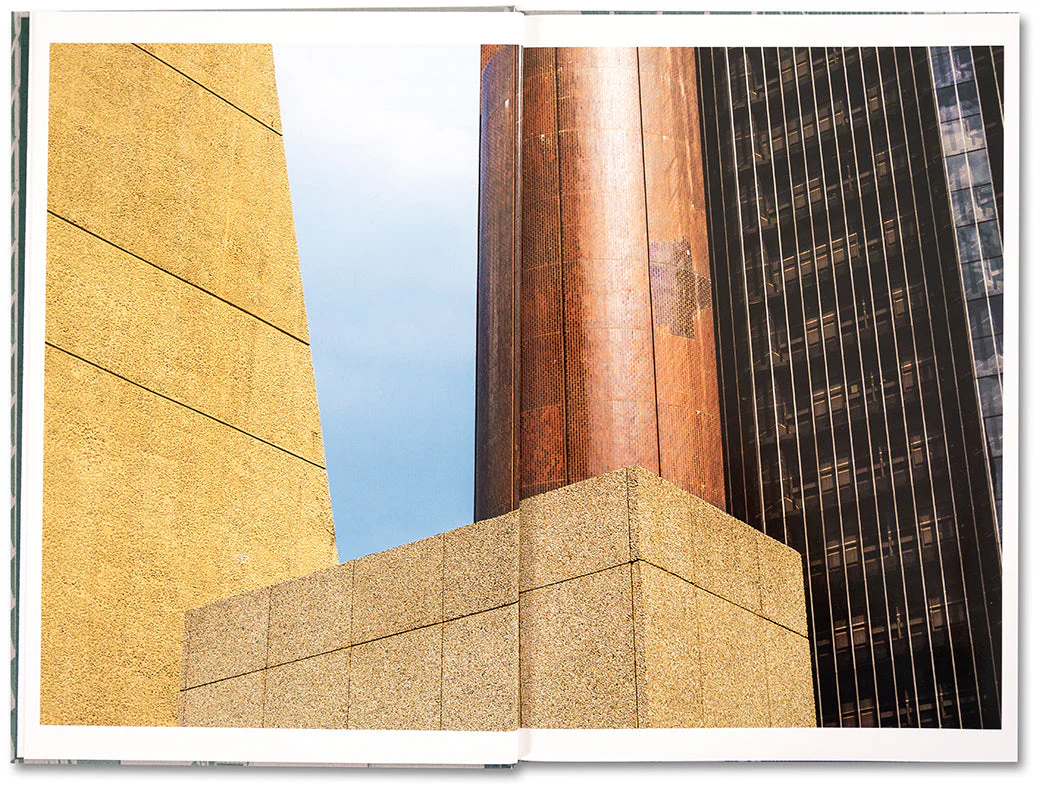
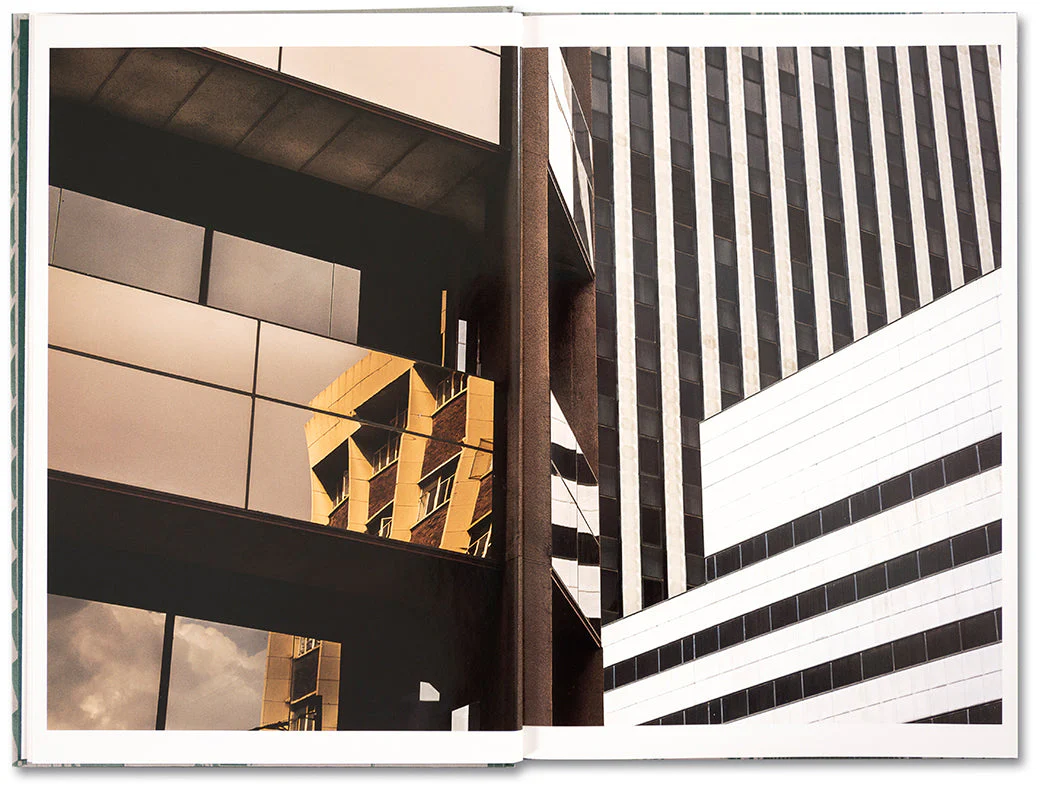
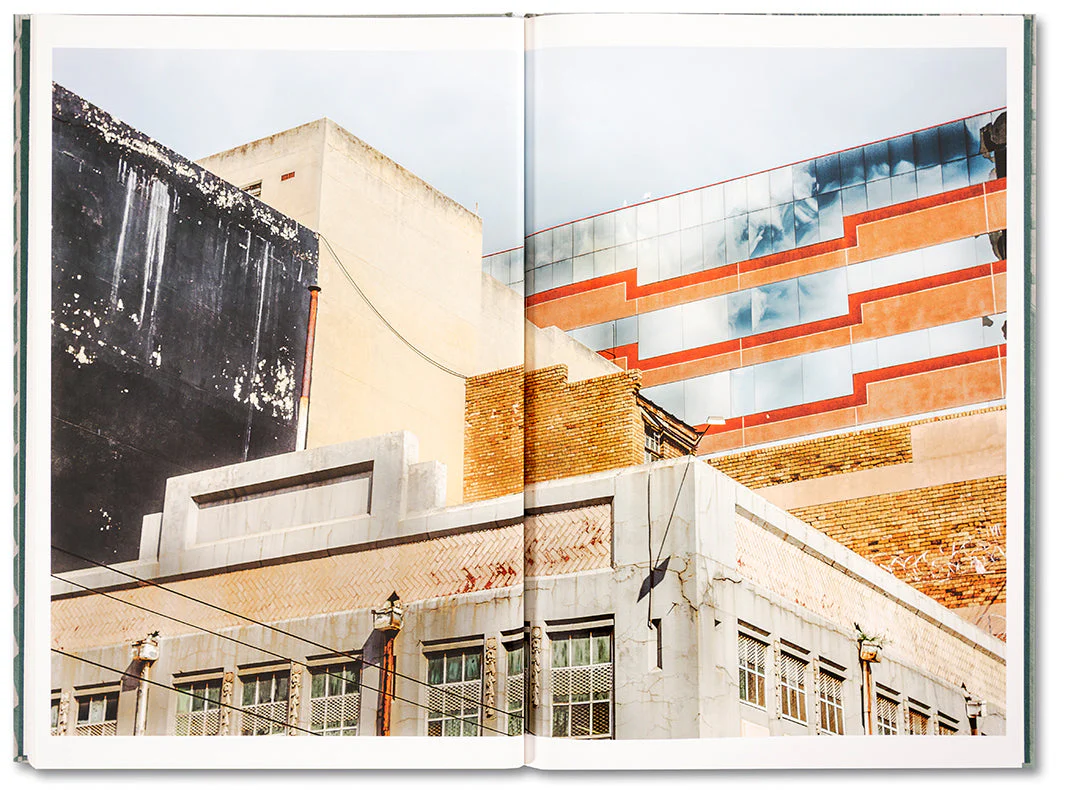
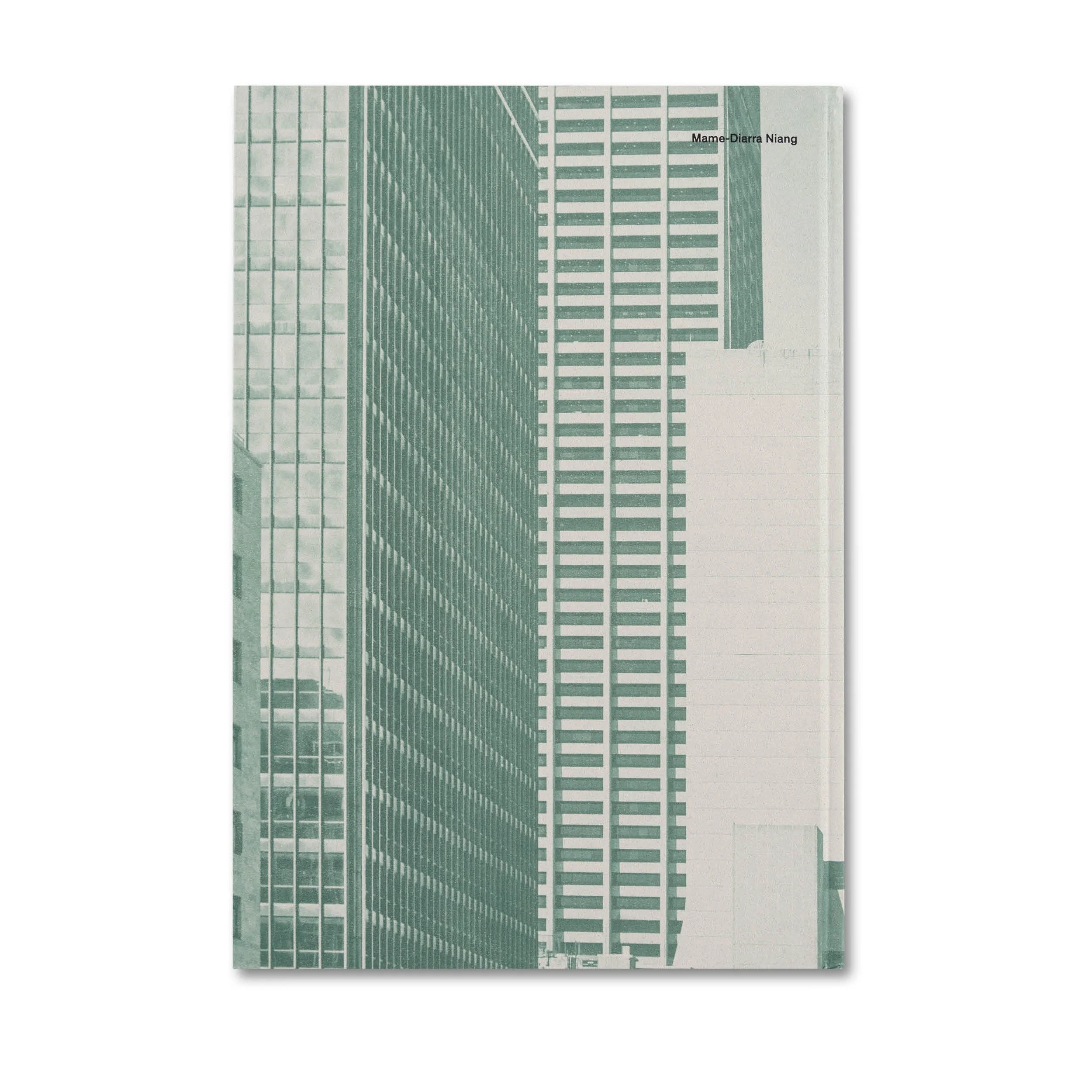
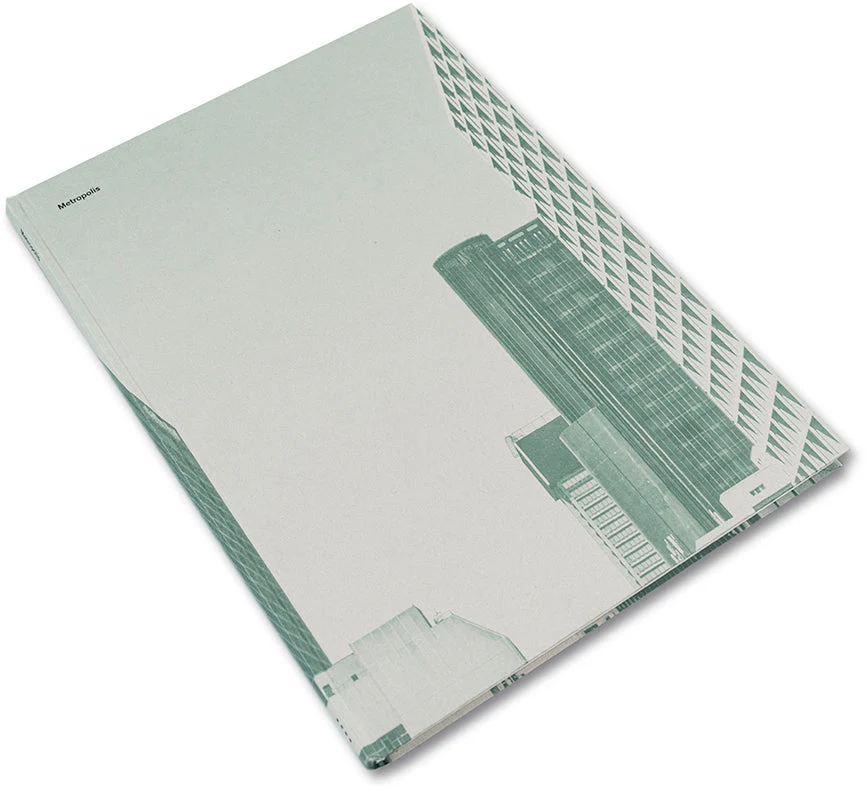
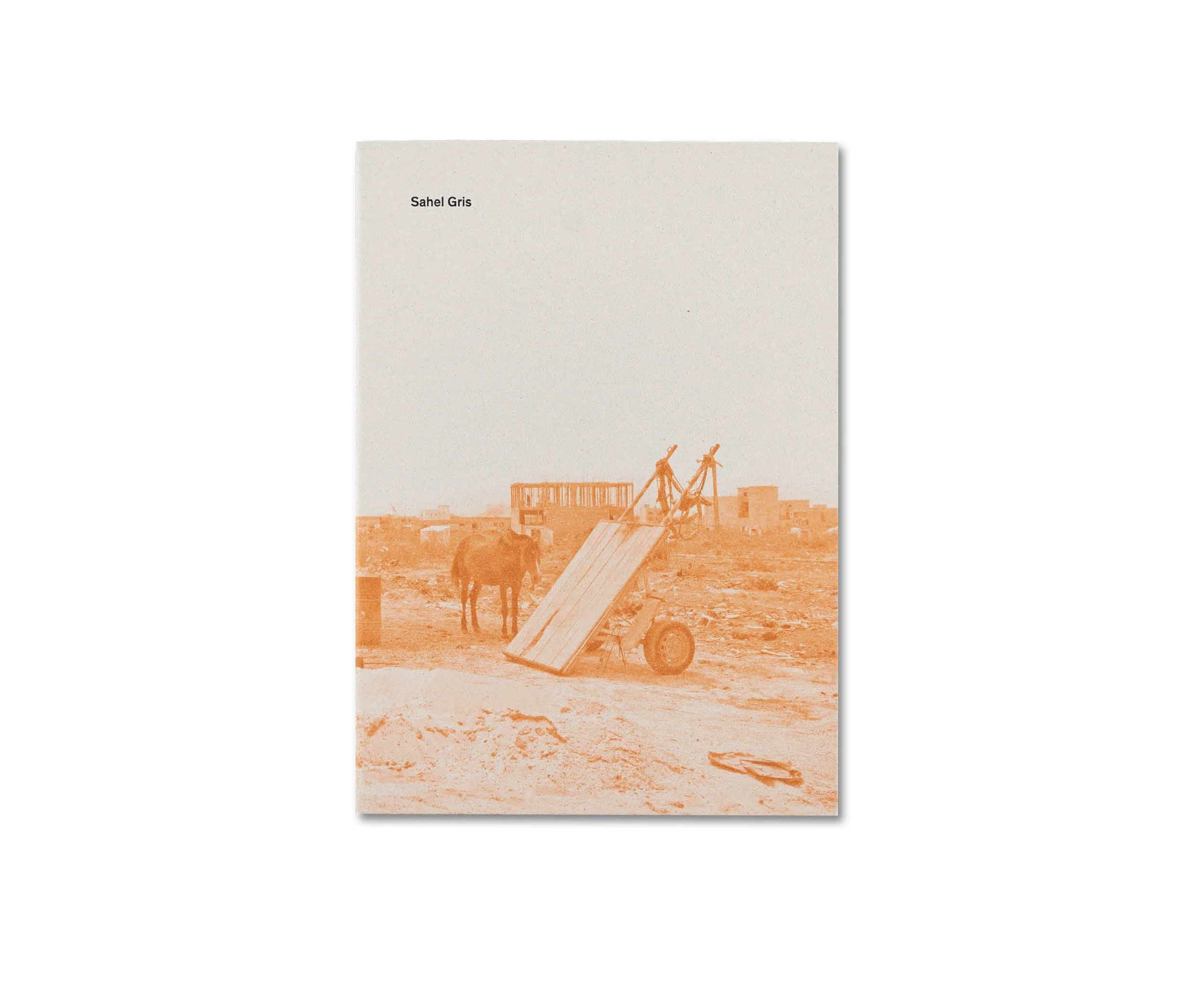
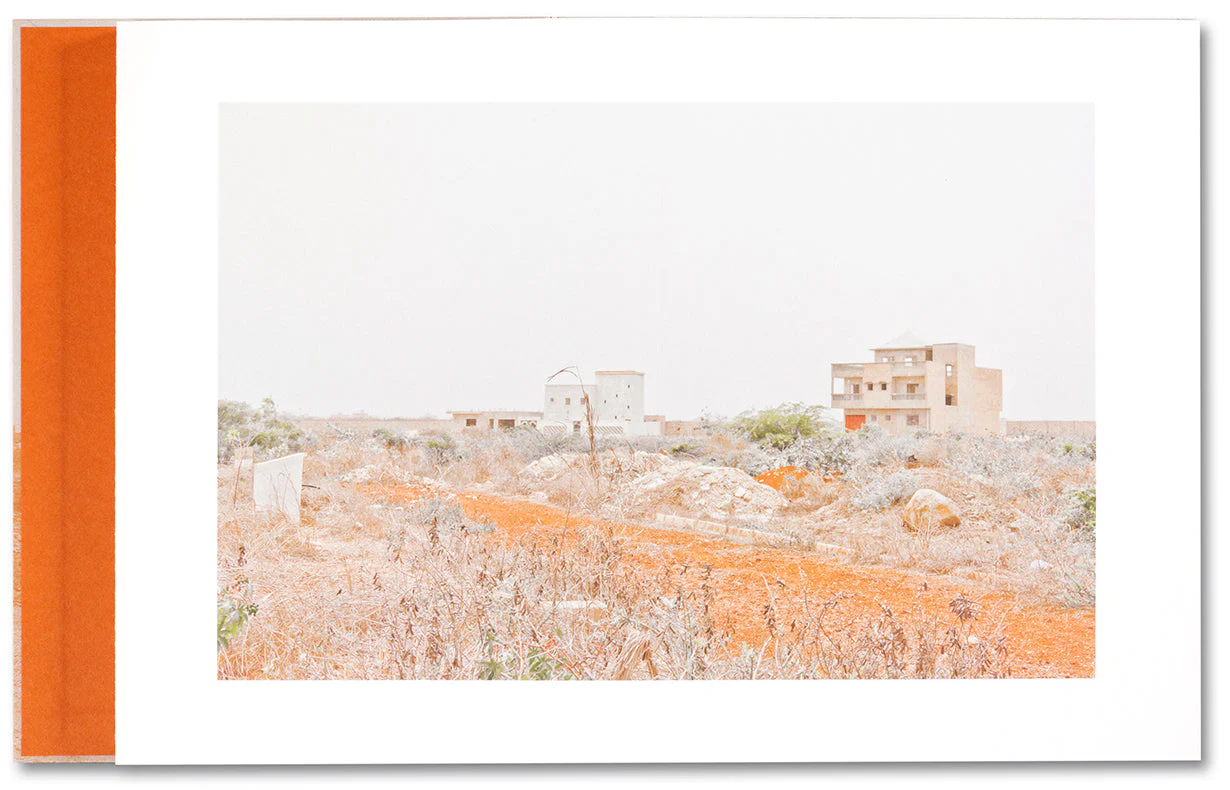
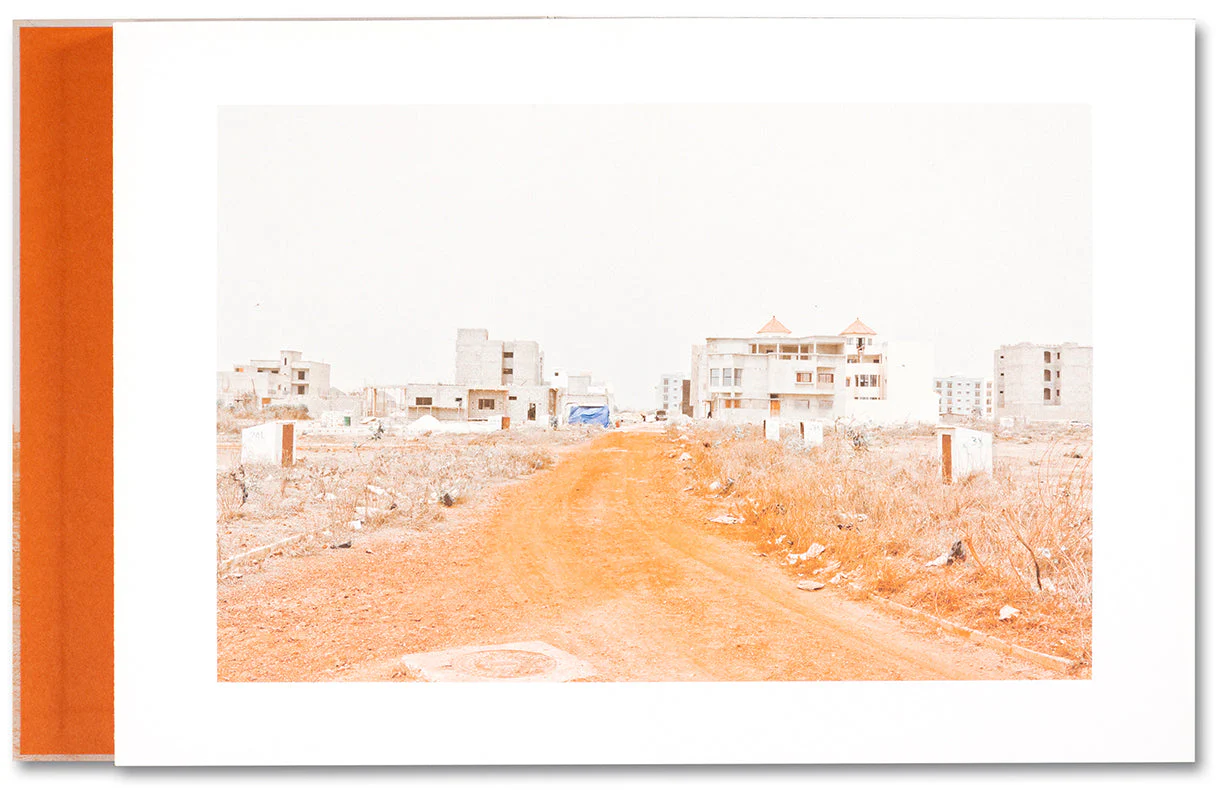
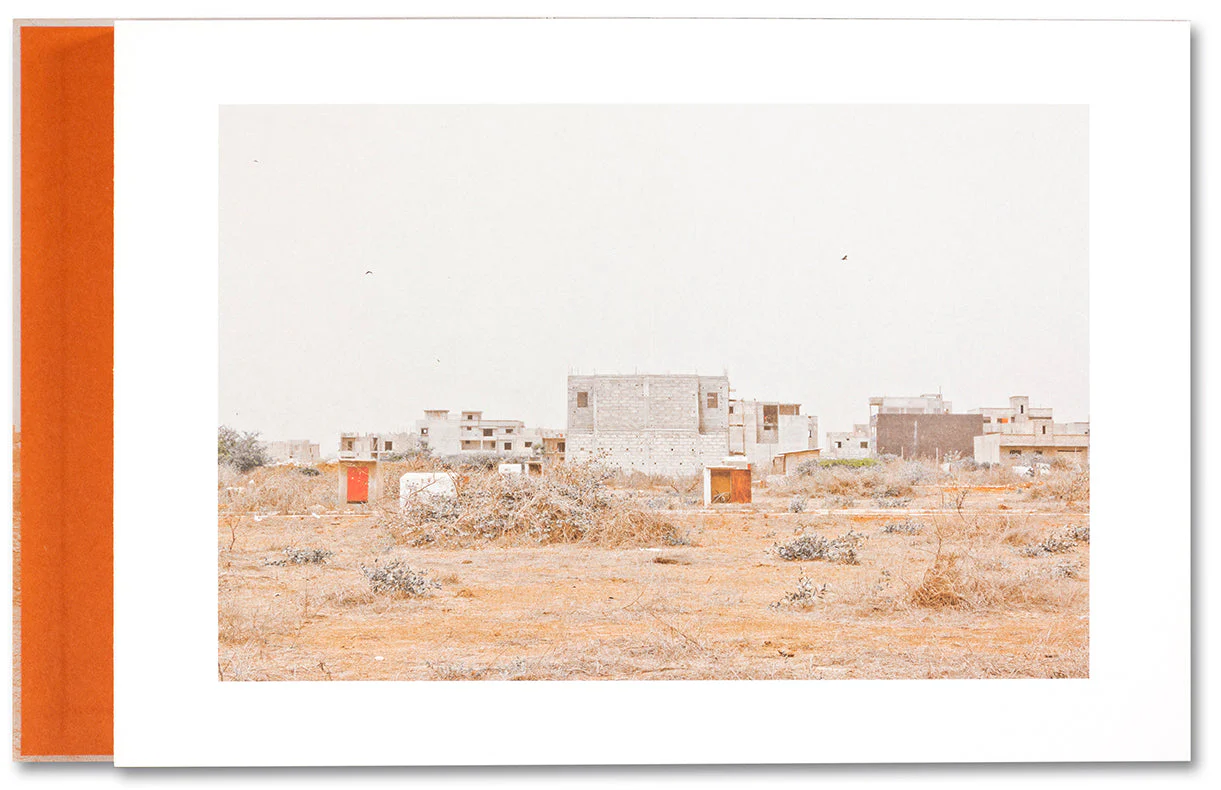
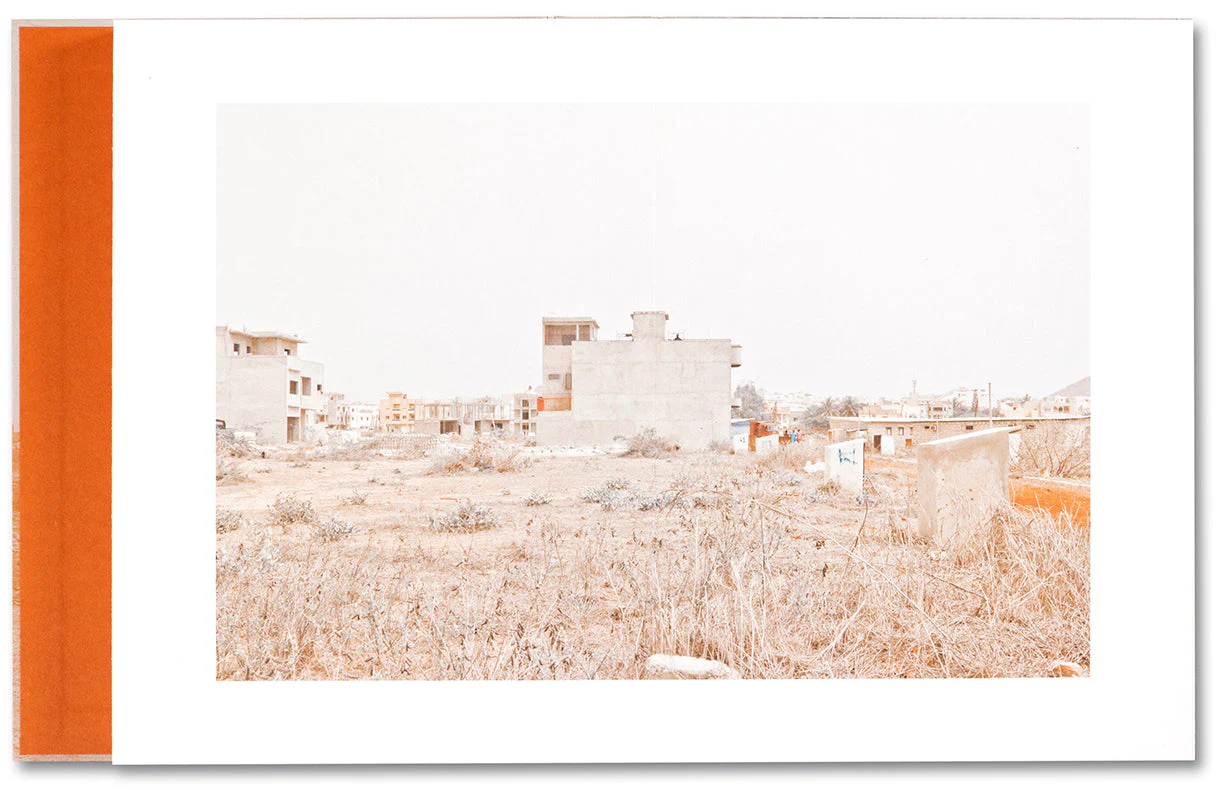
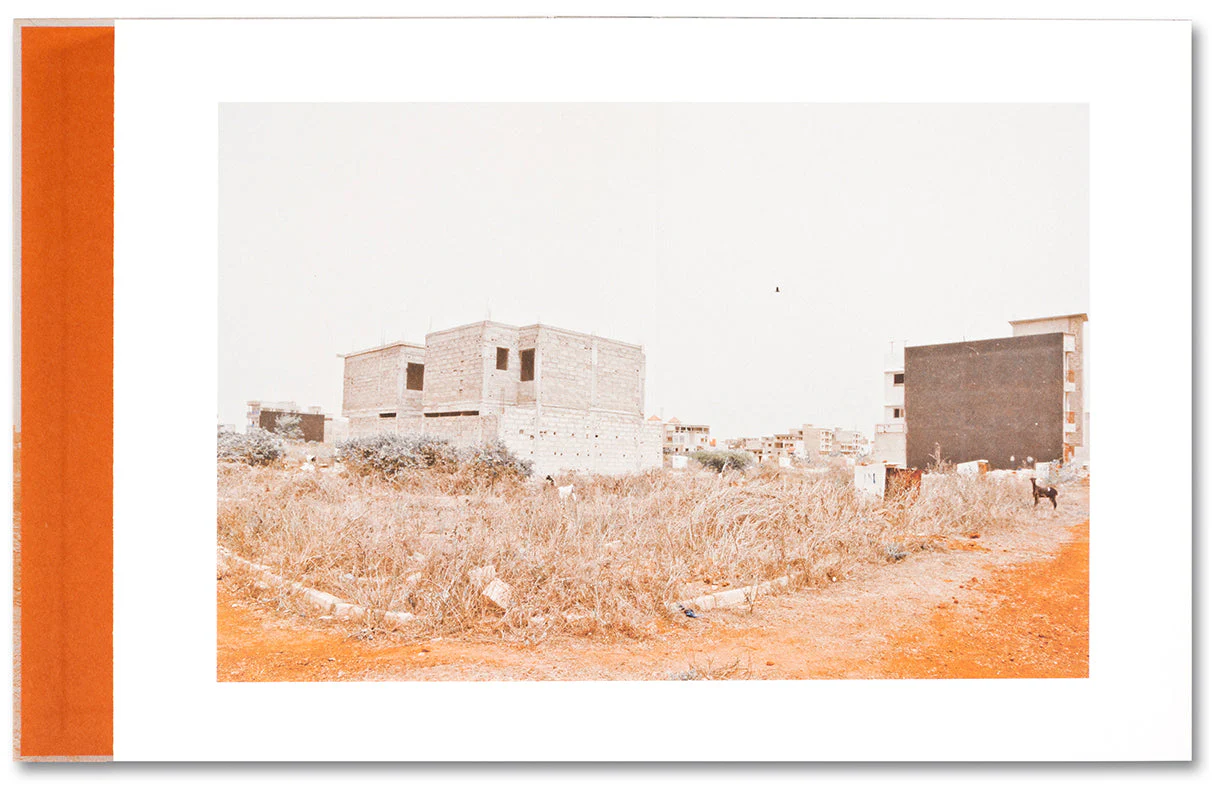
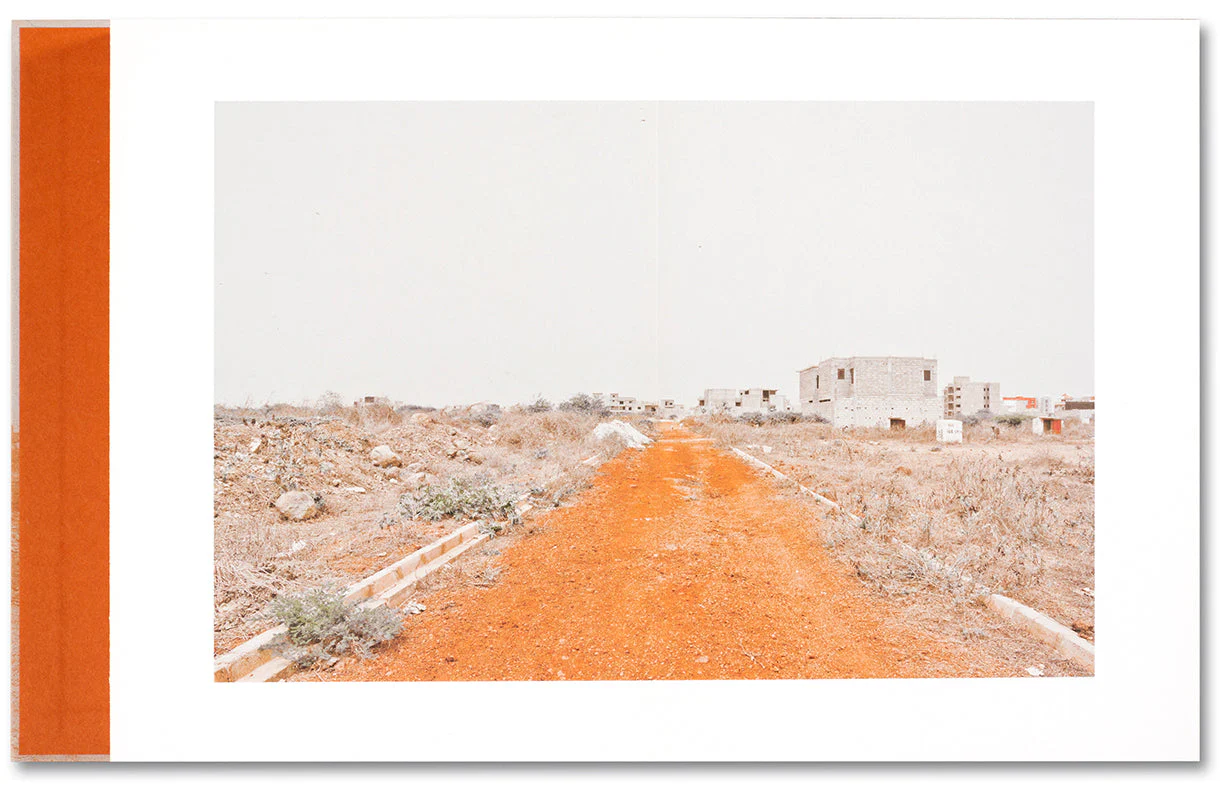
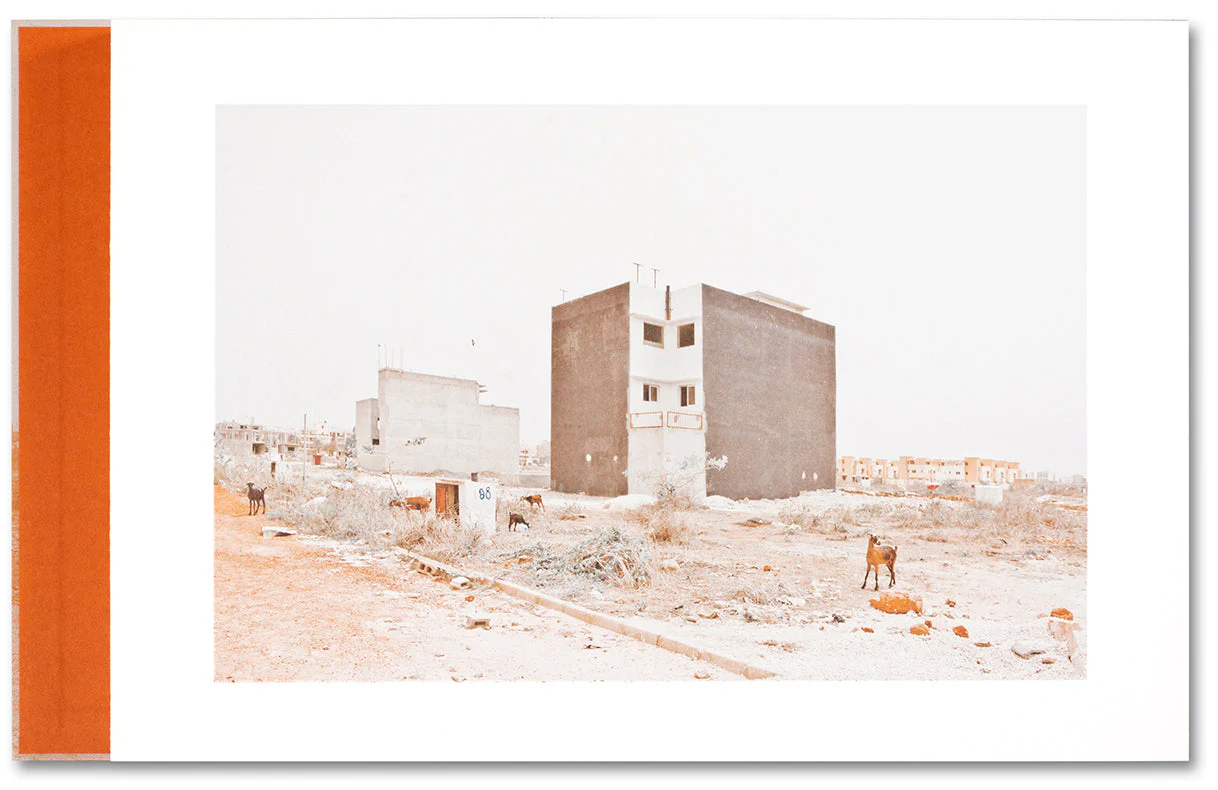
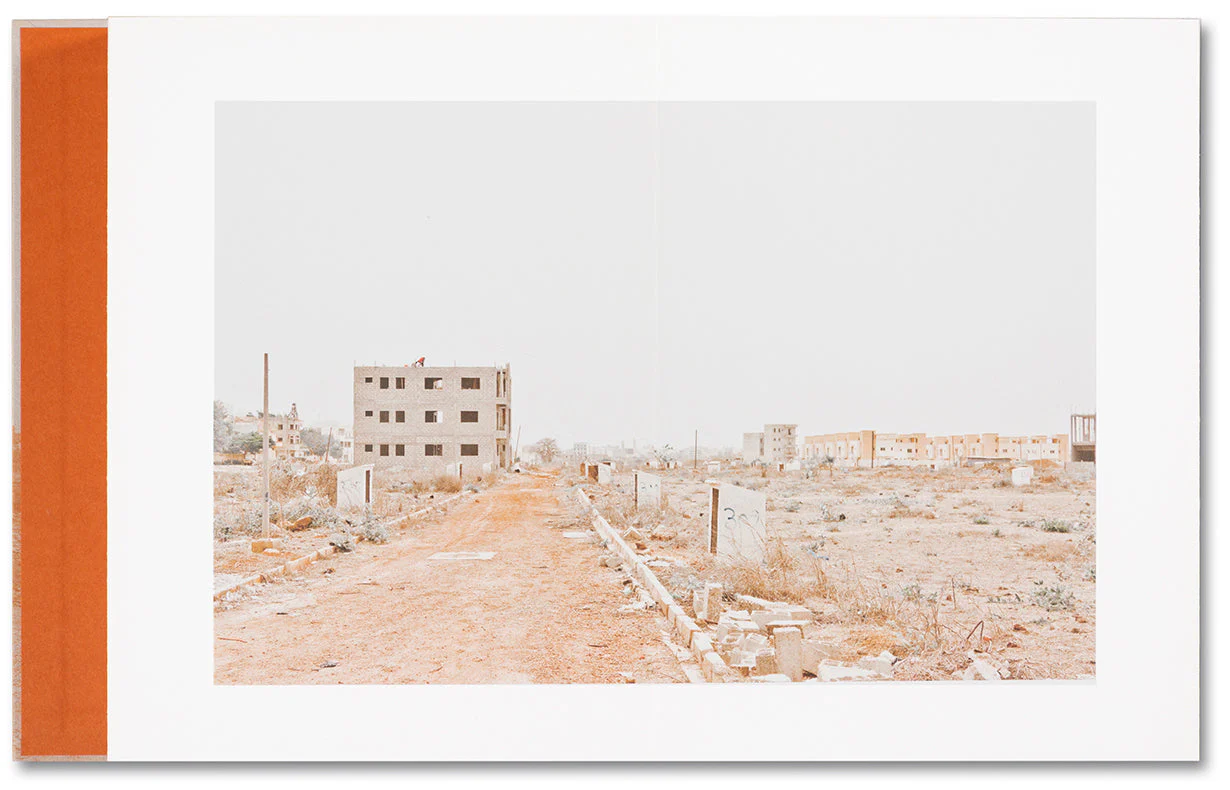
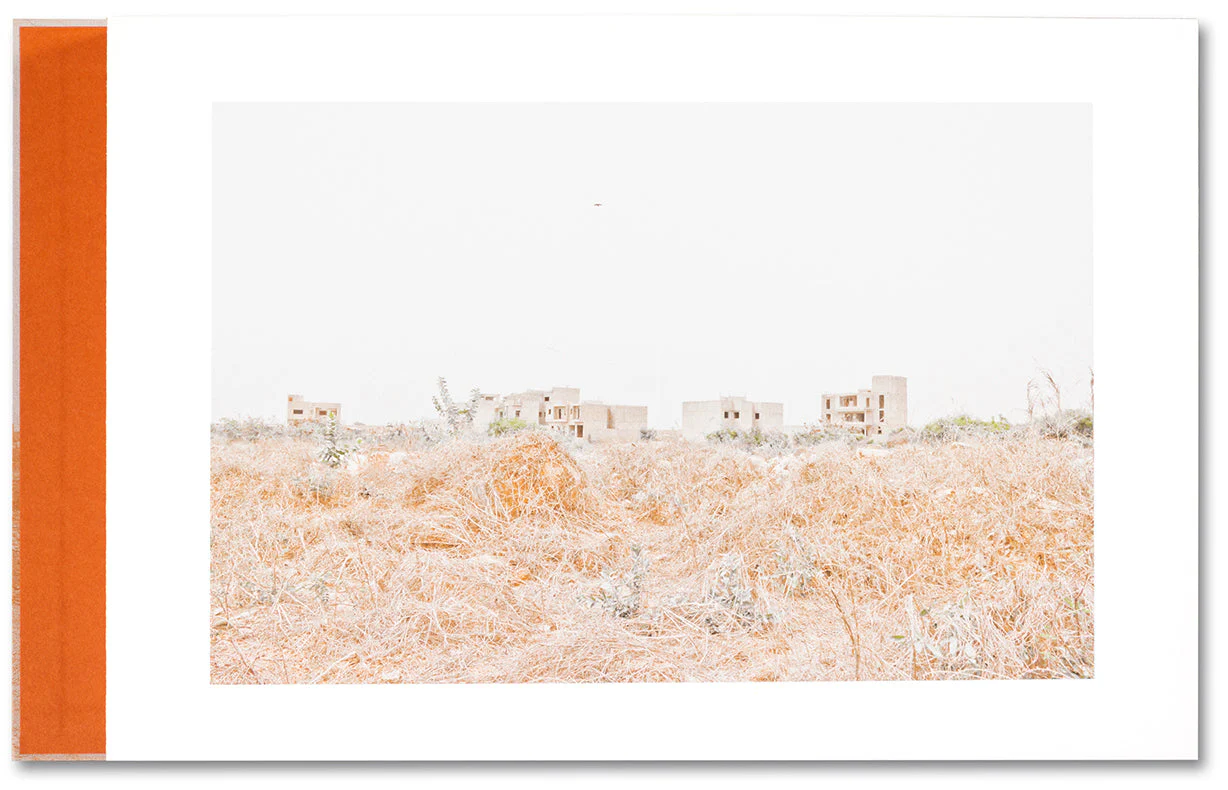
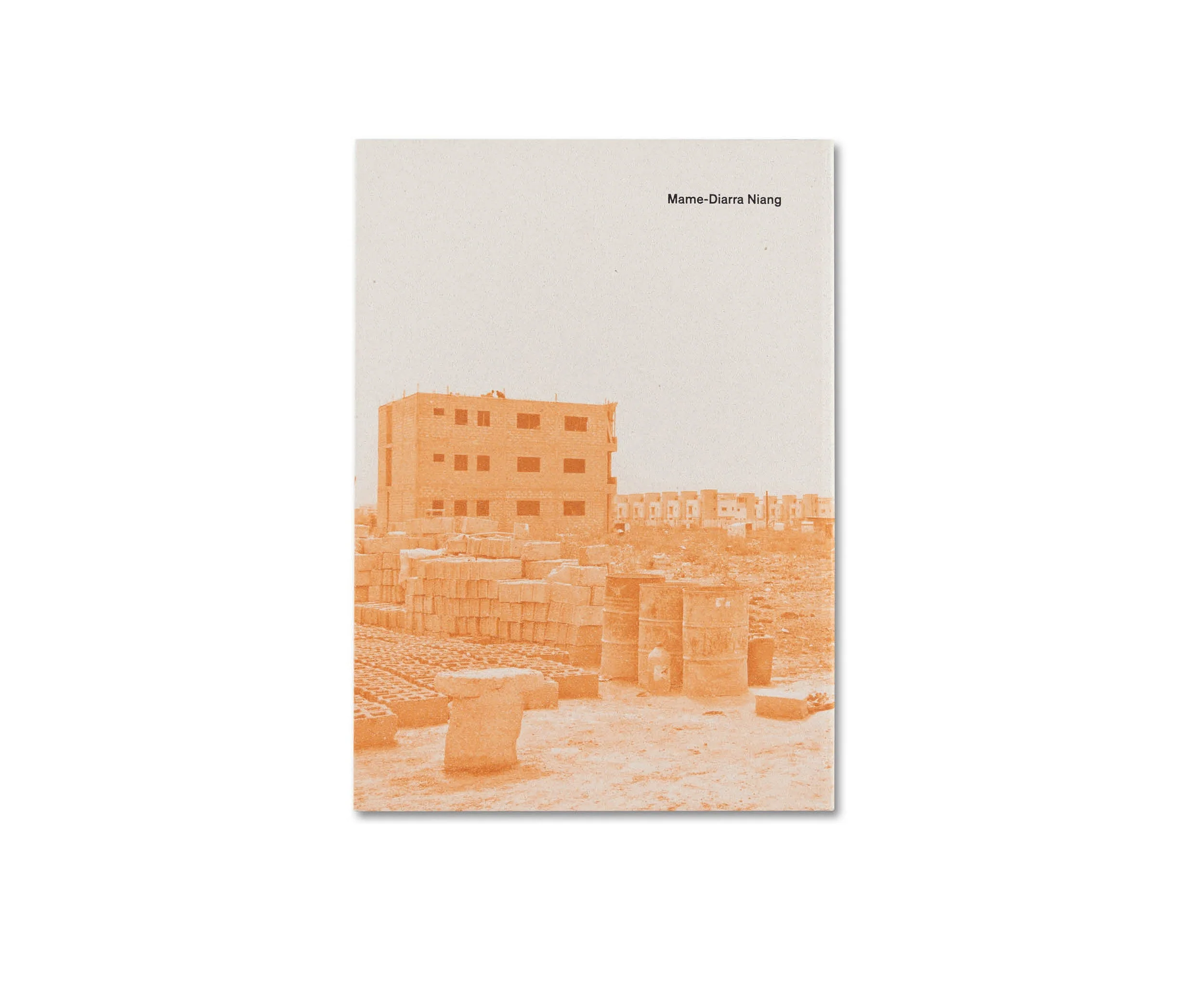
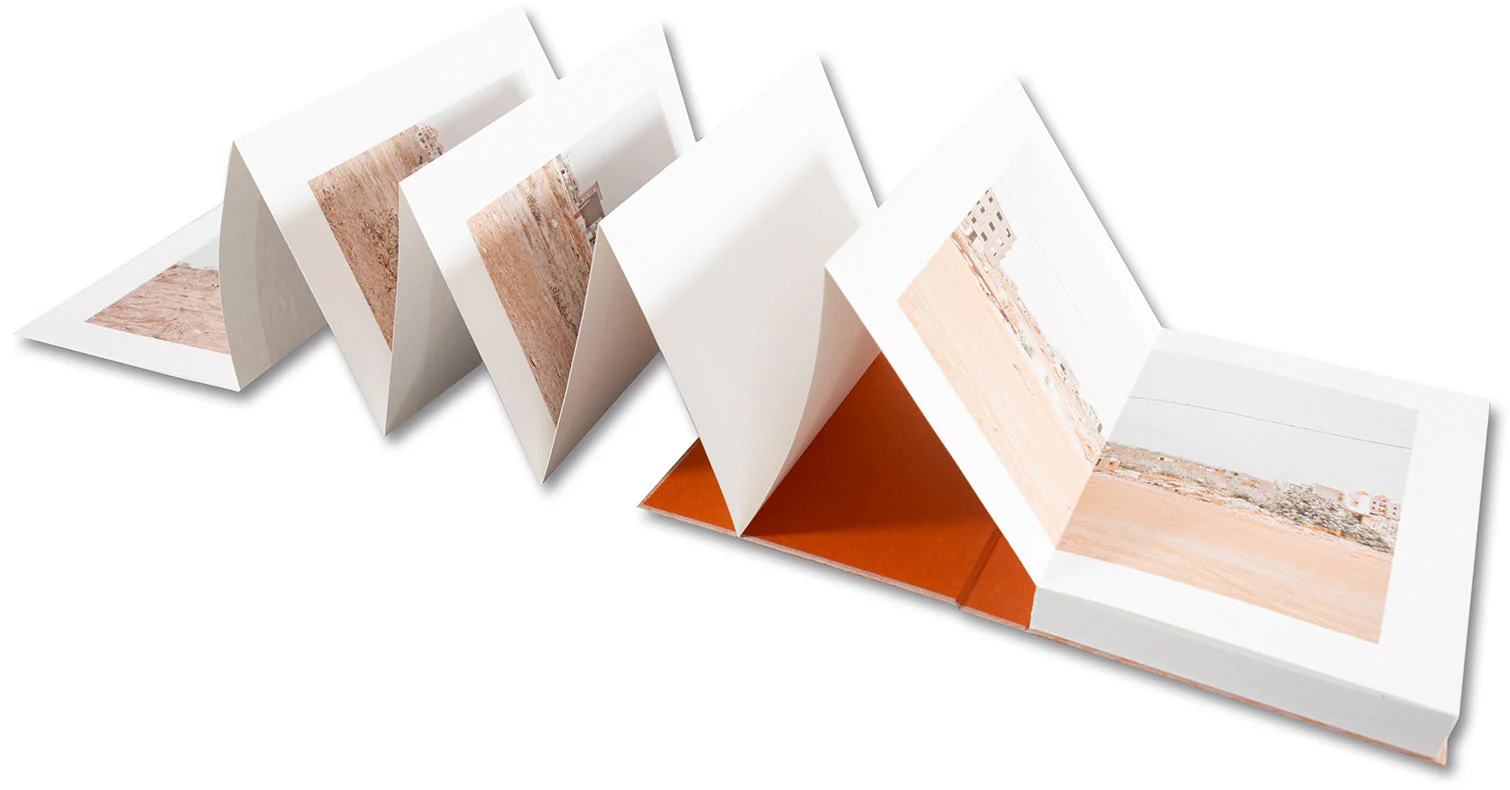
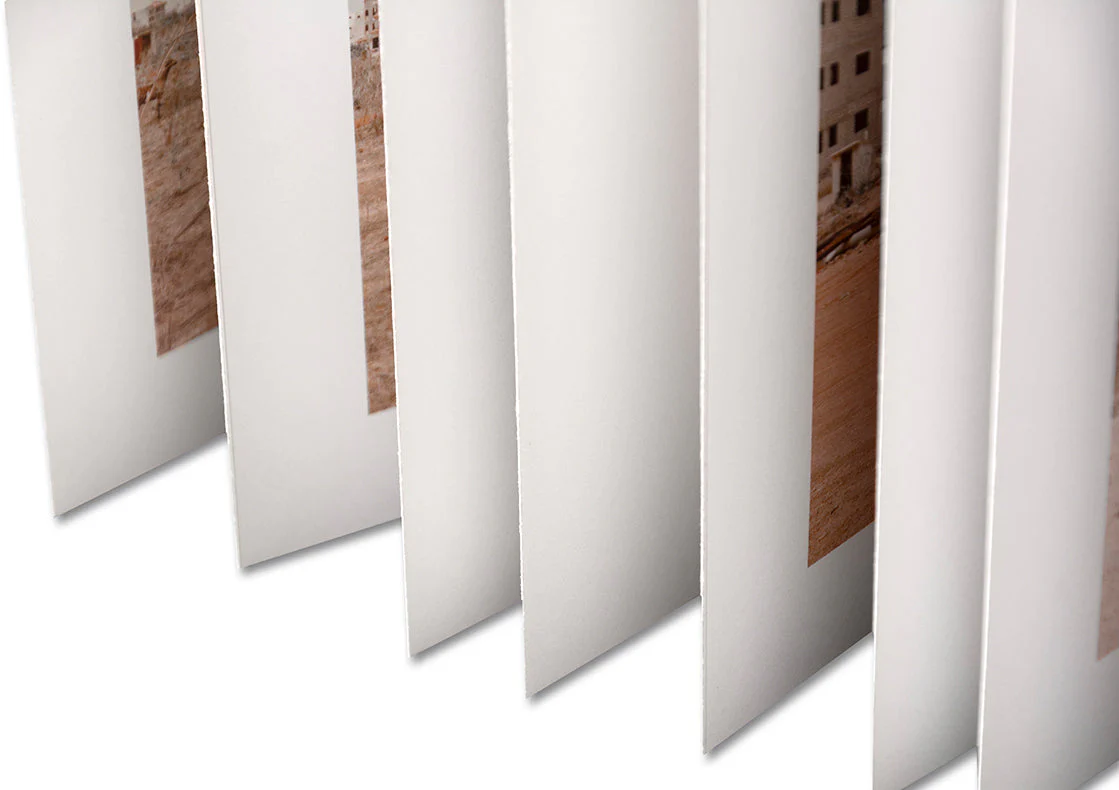
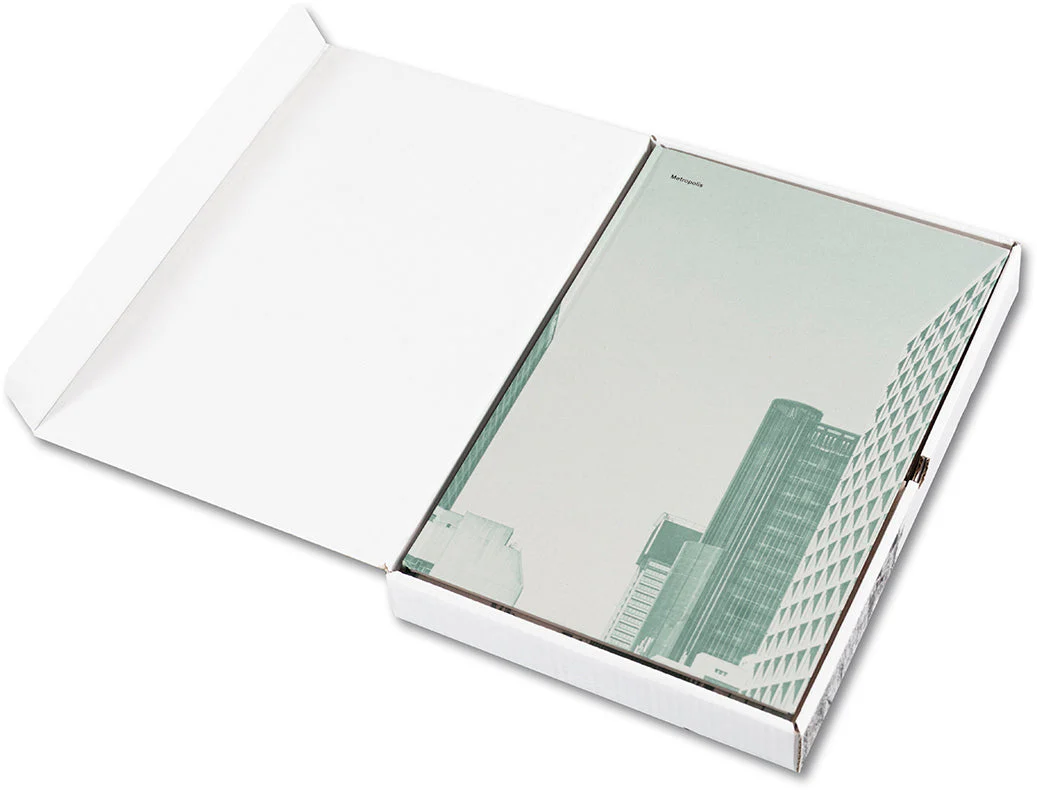
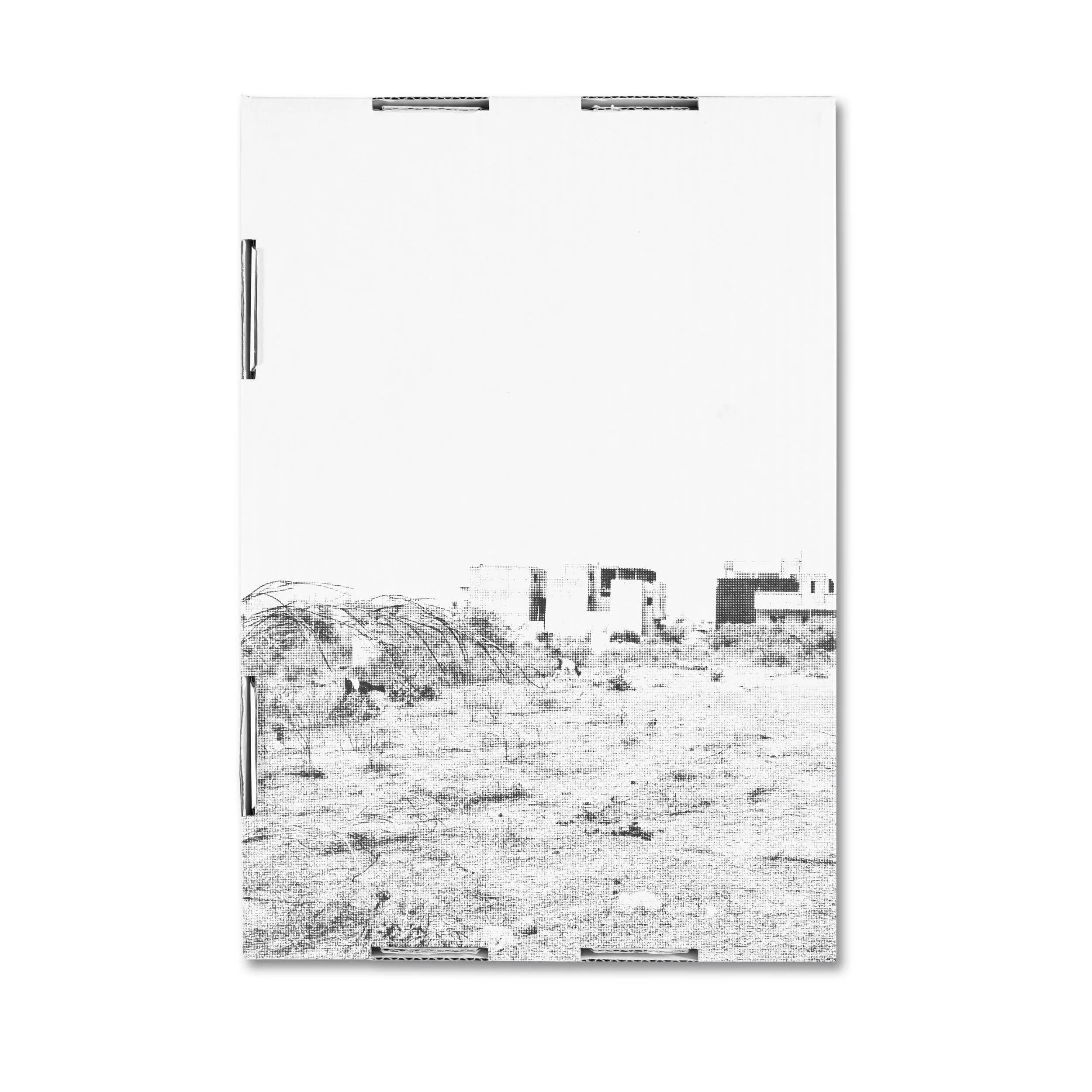
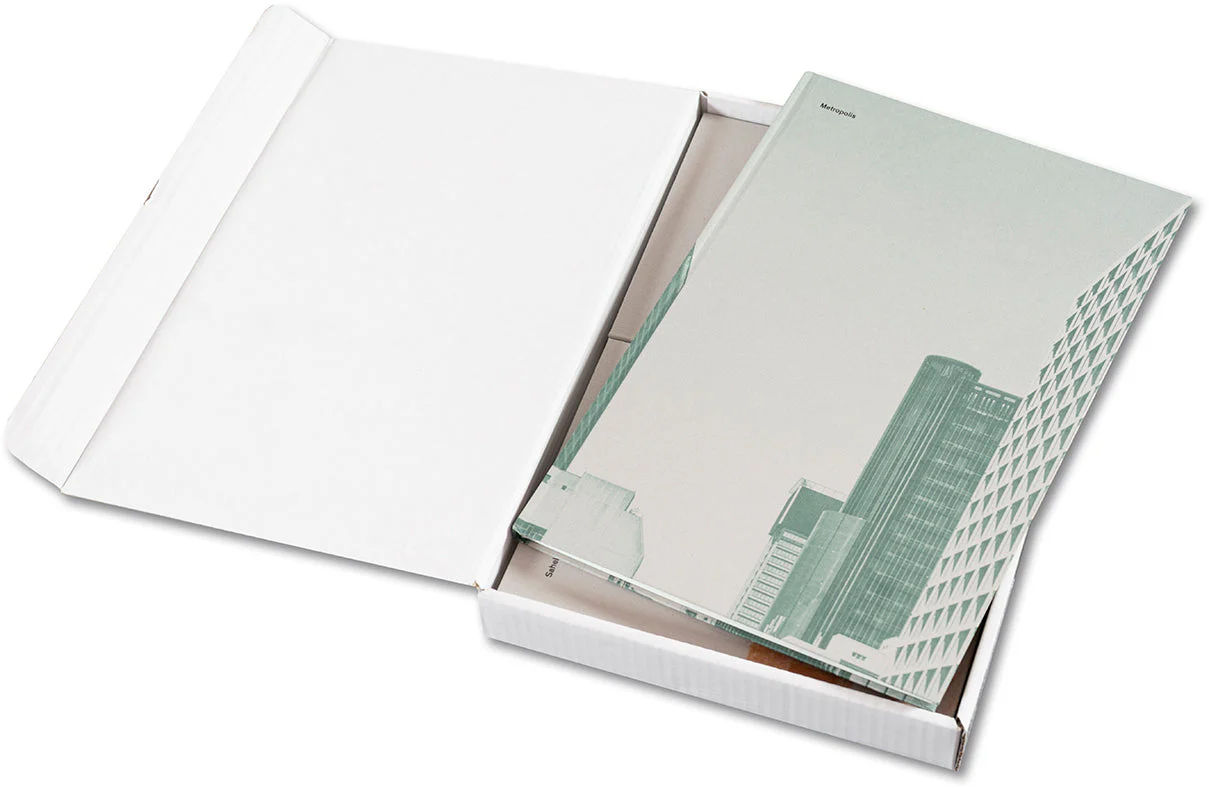
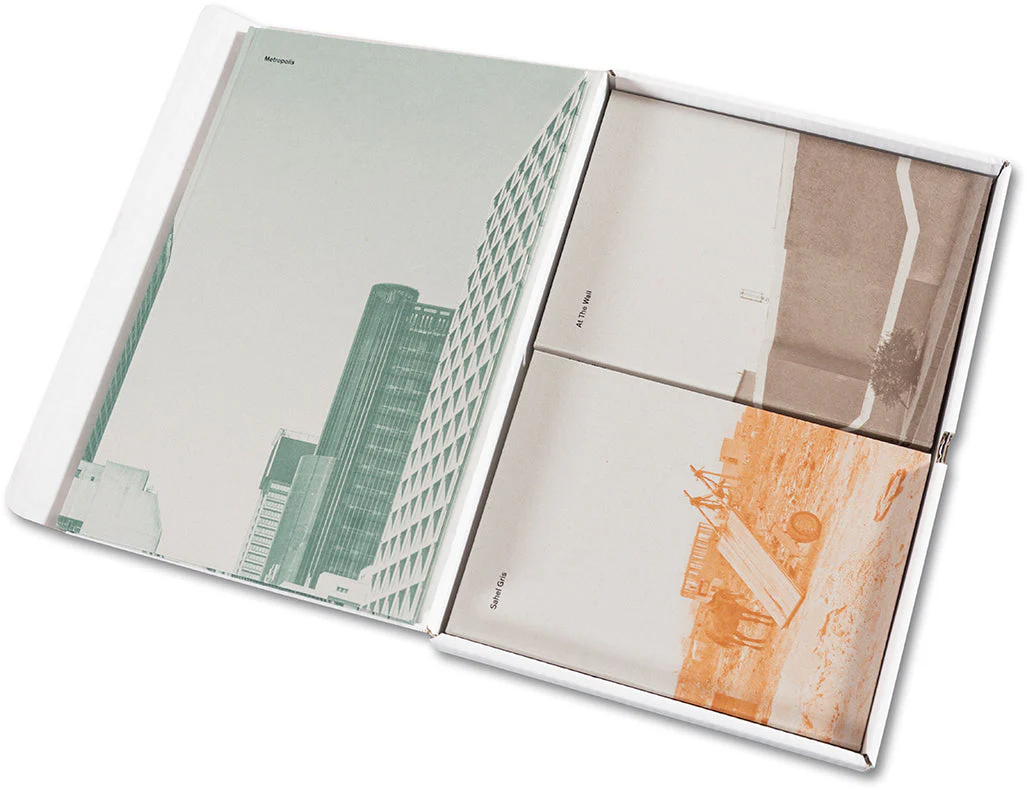
Sahel Gris depicts a no-man’s land where infrastructural projects lay abandoned to the dust. It holds the roots of The Citadel, its ‘ground zero’, where the continuous horizon line evokes a state of permanent suspension between movement and inertia. In At the Wall, Niang pauses at a place of rest and interrogation, an oracle, and the gate to The Citadel. In Metropolis, Niang steps finally into the belly of the beast, looking outwards from within the crowded urban superficies that constantly shift before her eyes, dazzling in the southern light. At the centre of Niang’s vision is the notion of ‘the plasticity of territory’, in which a personal investigation of place becomes indistinguishable from the photographer’s own metamorphosis, and landscape becomes a ‘material for producing many selves.’
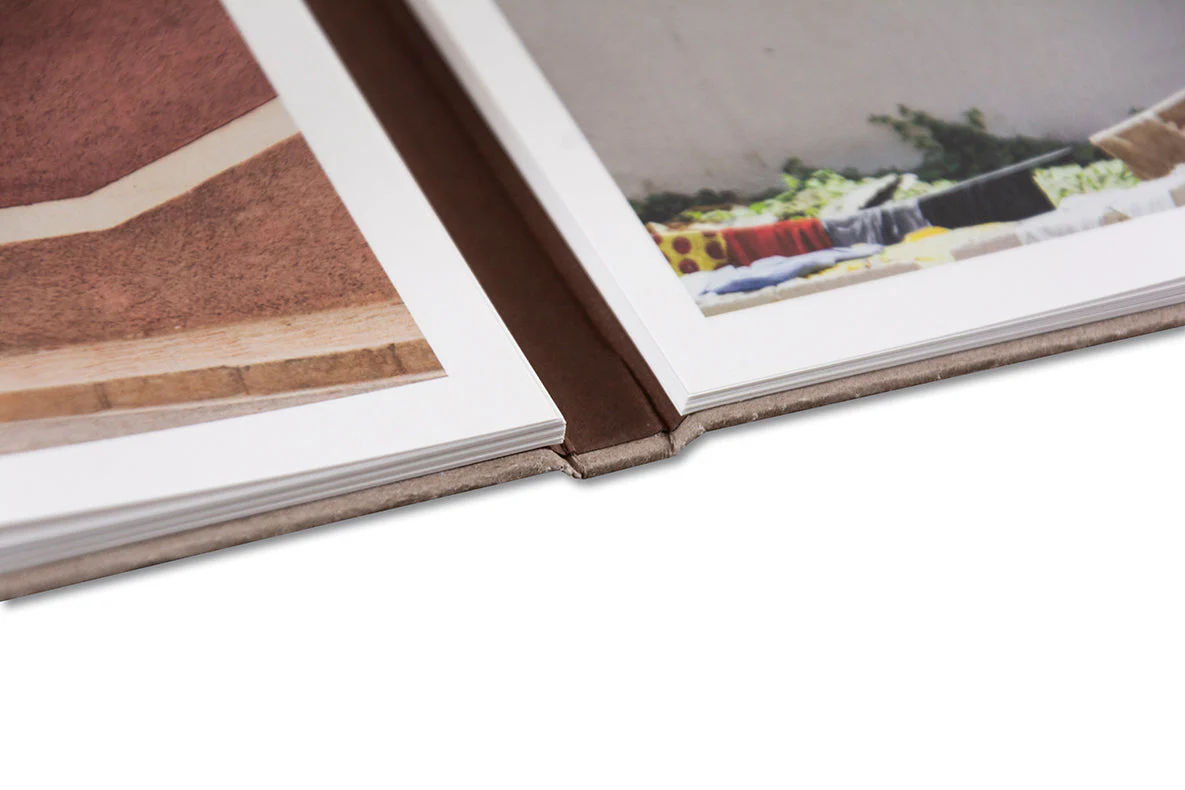
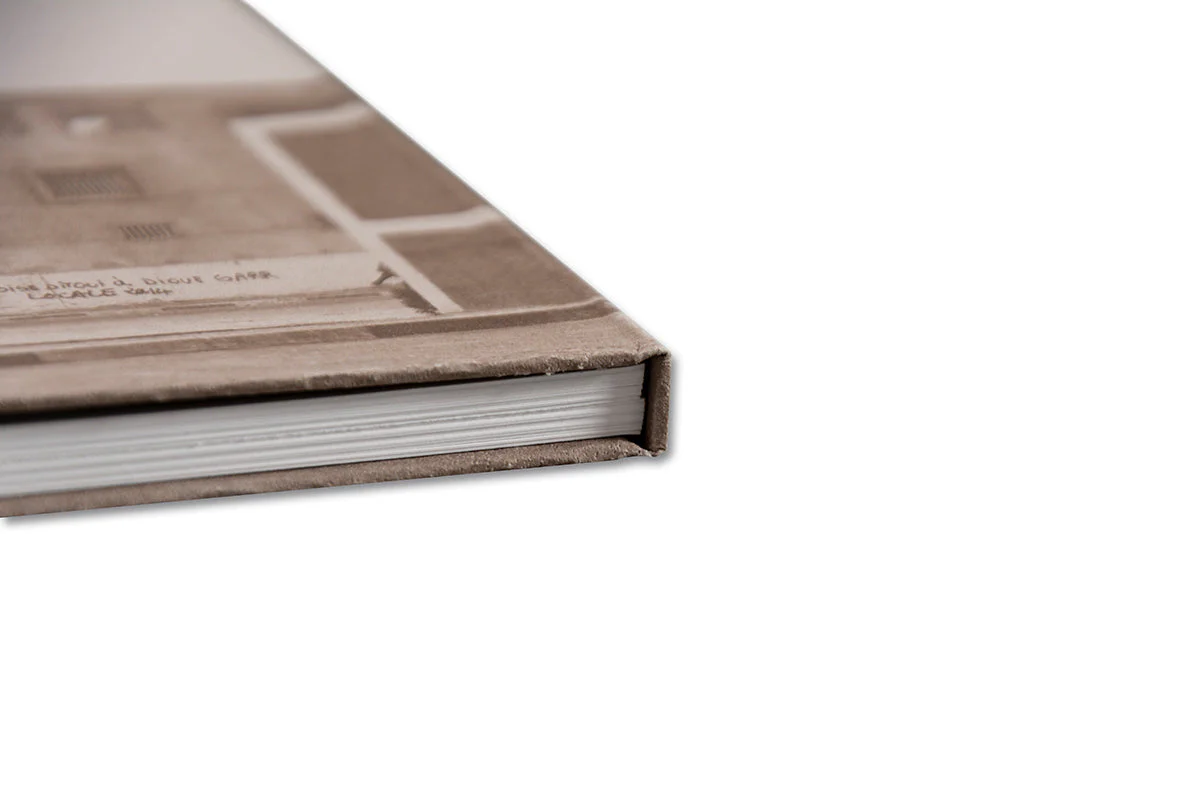
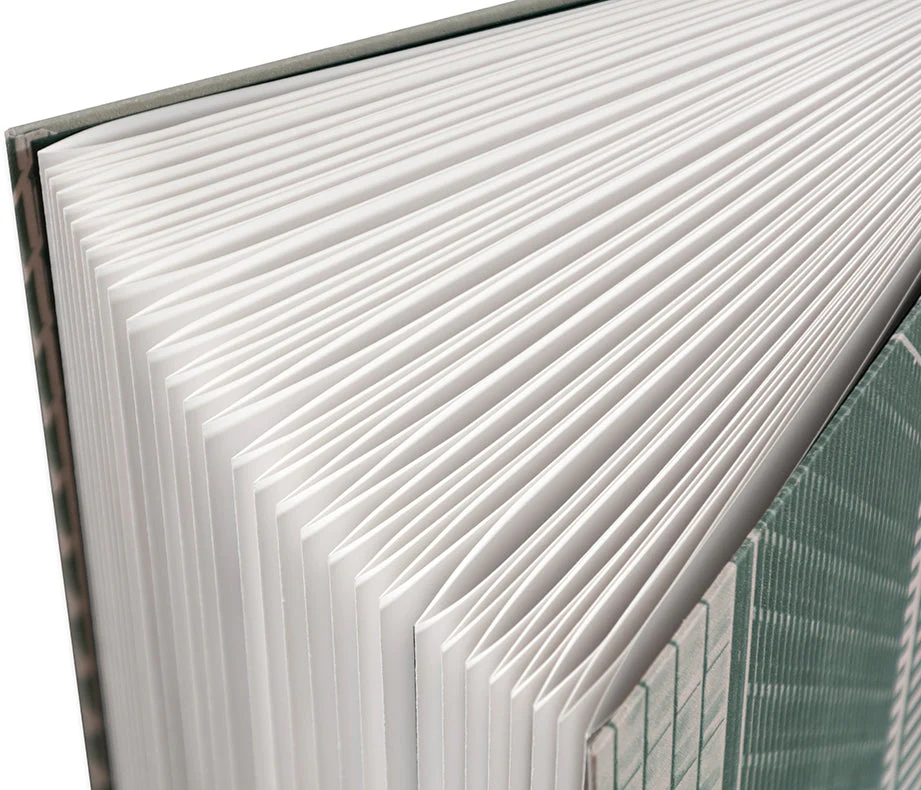
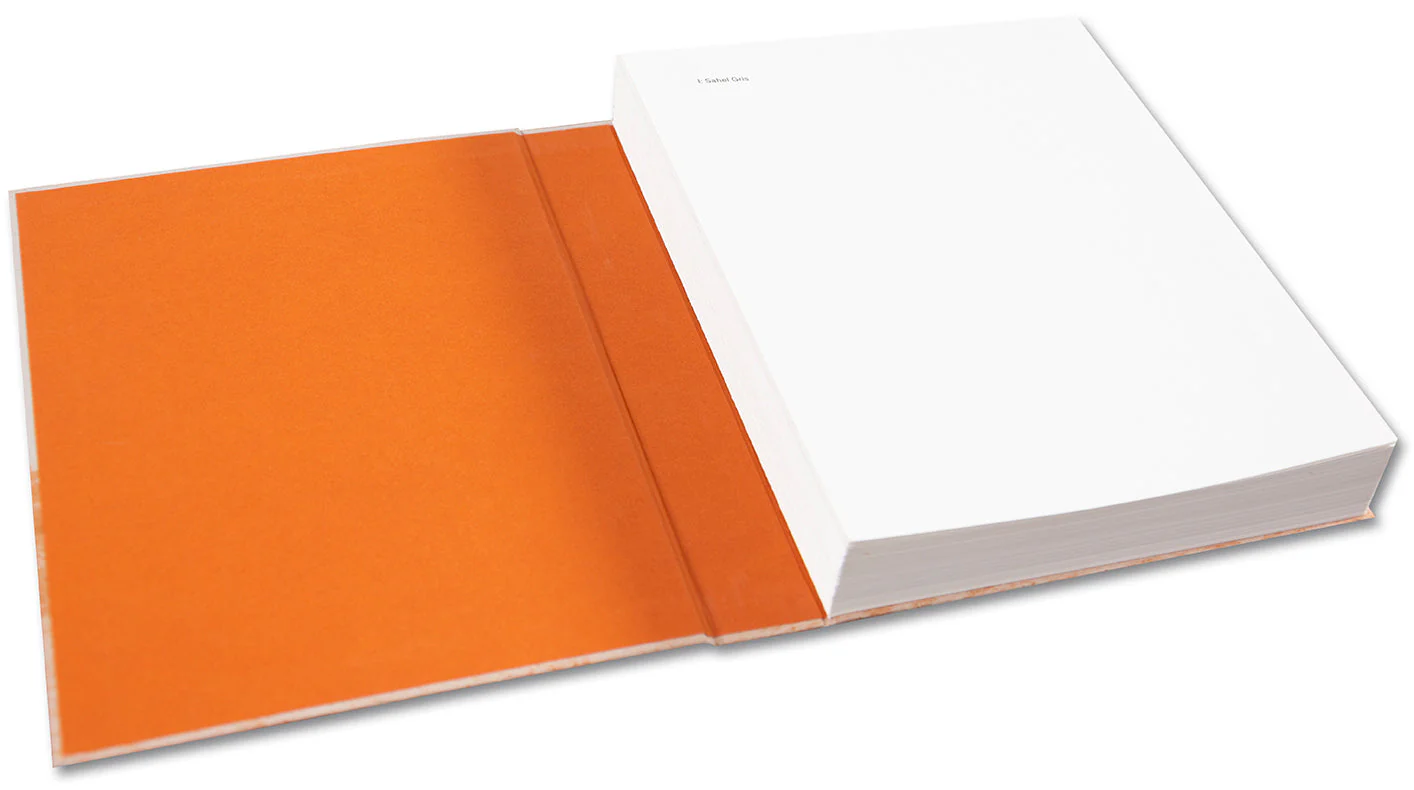
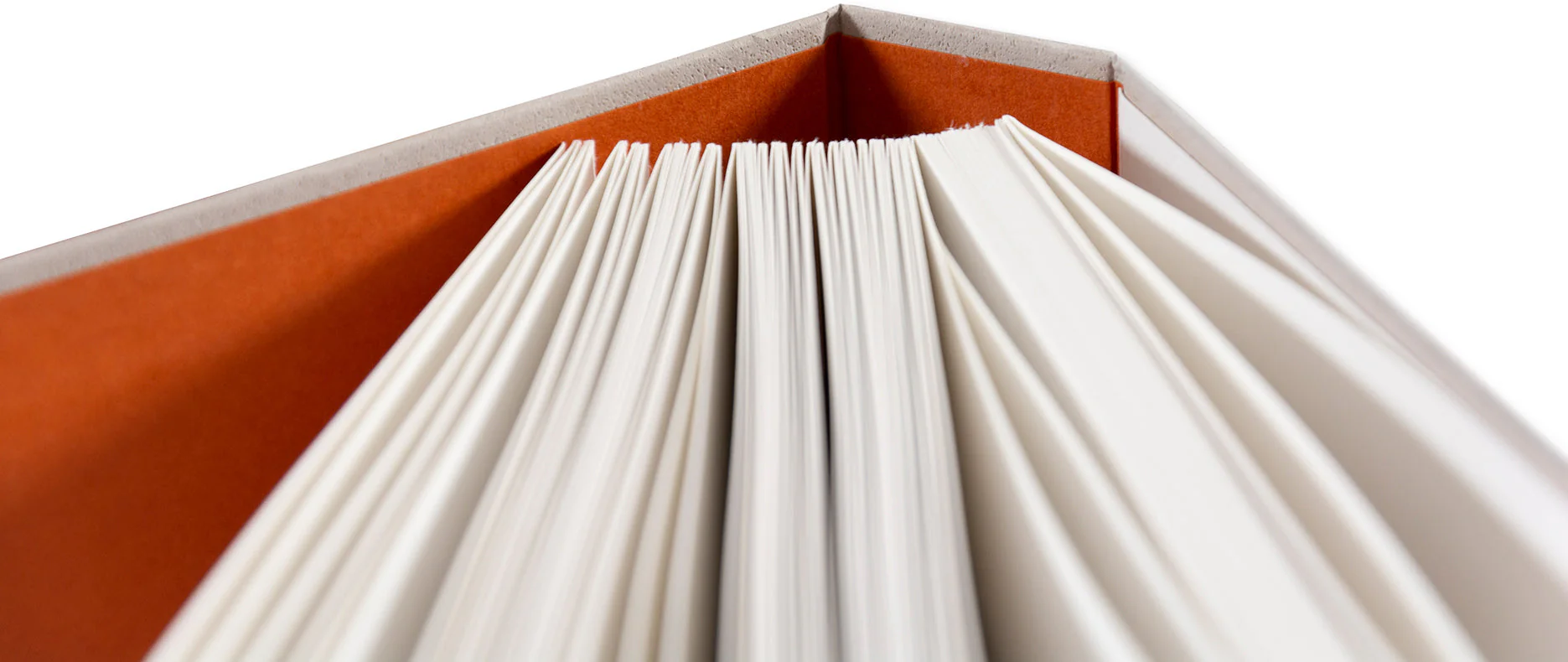
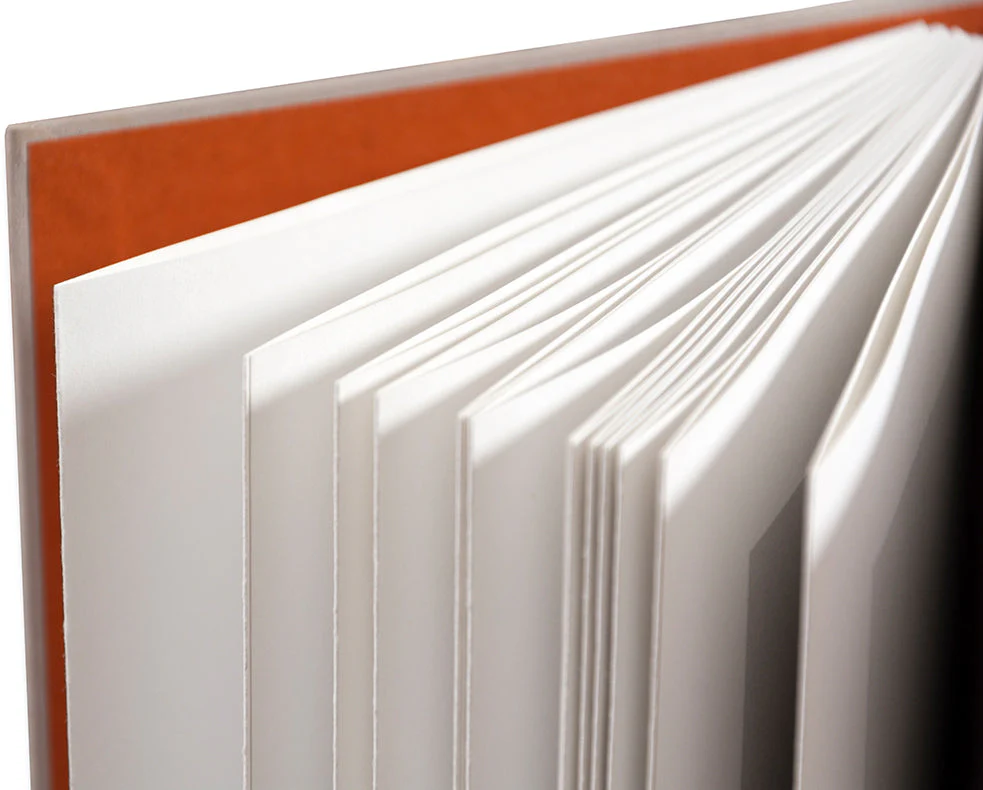
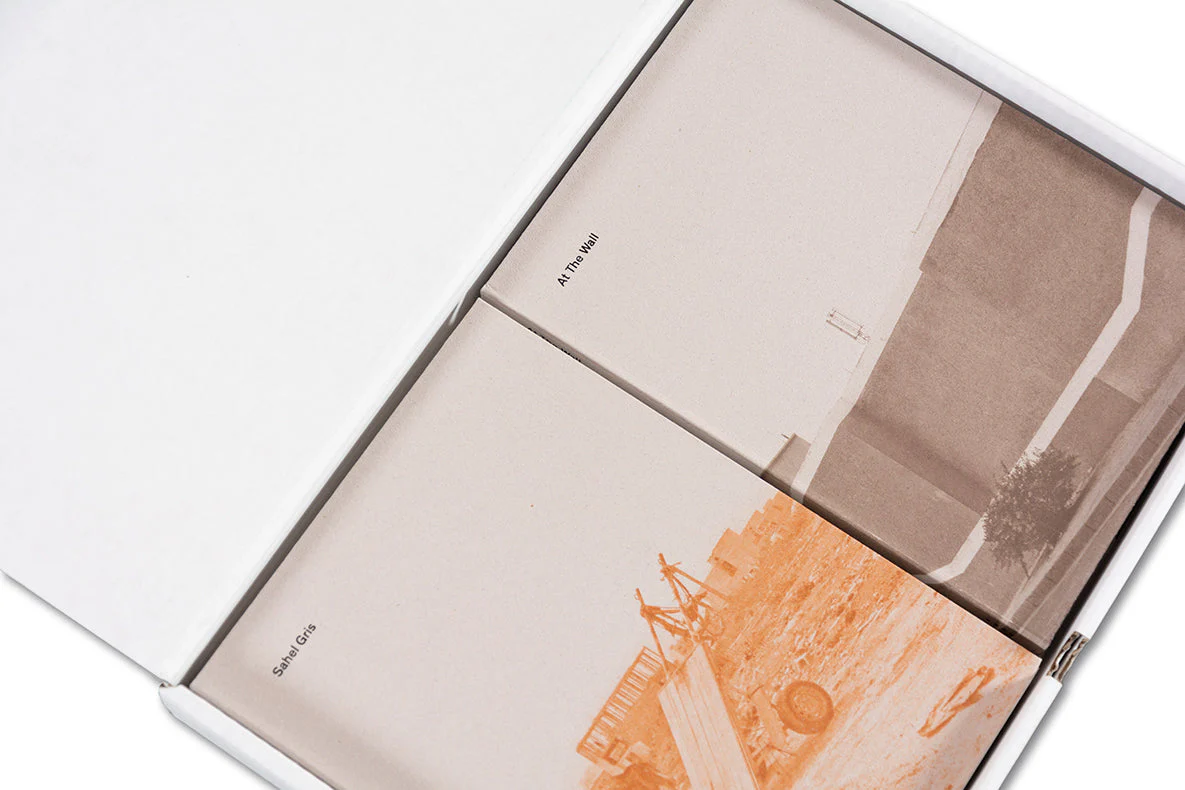
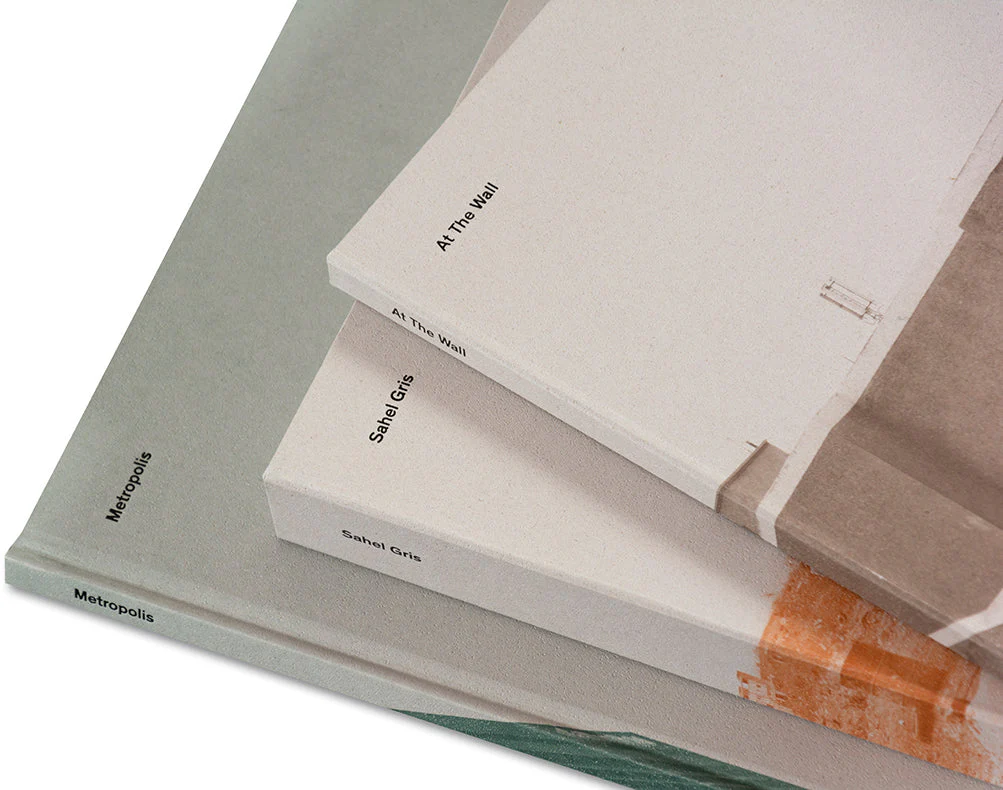
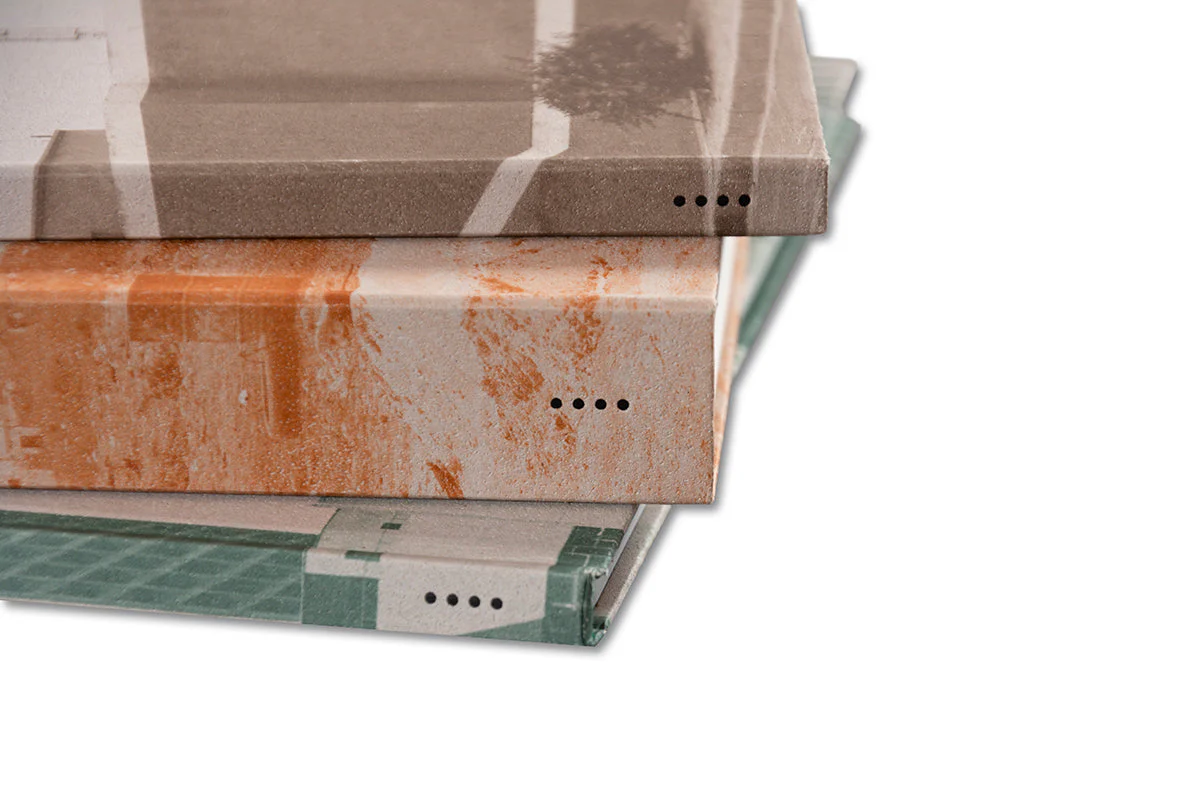
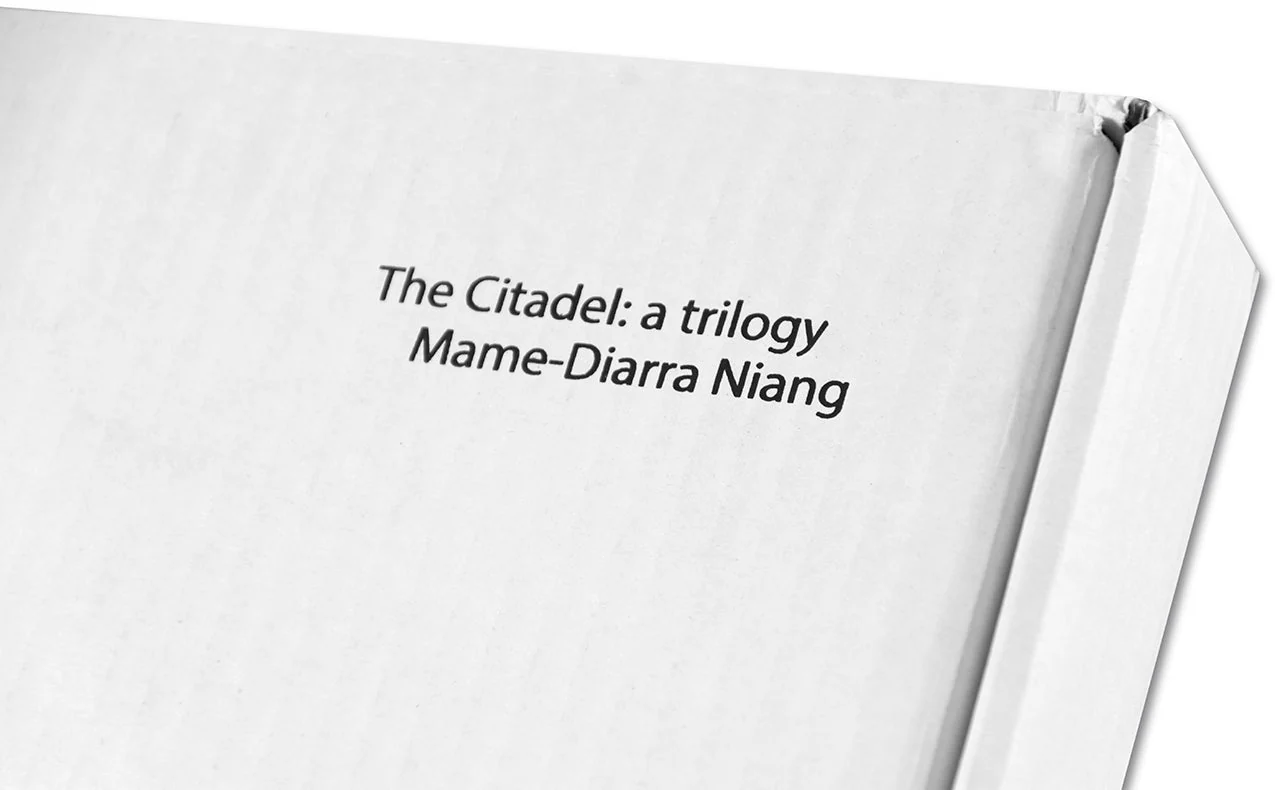
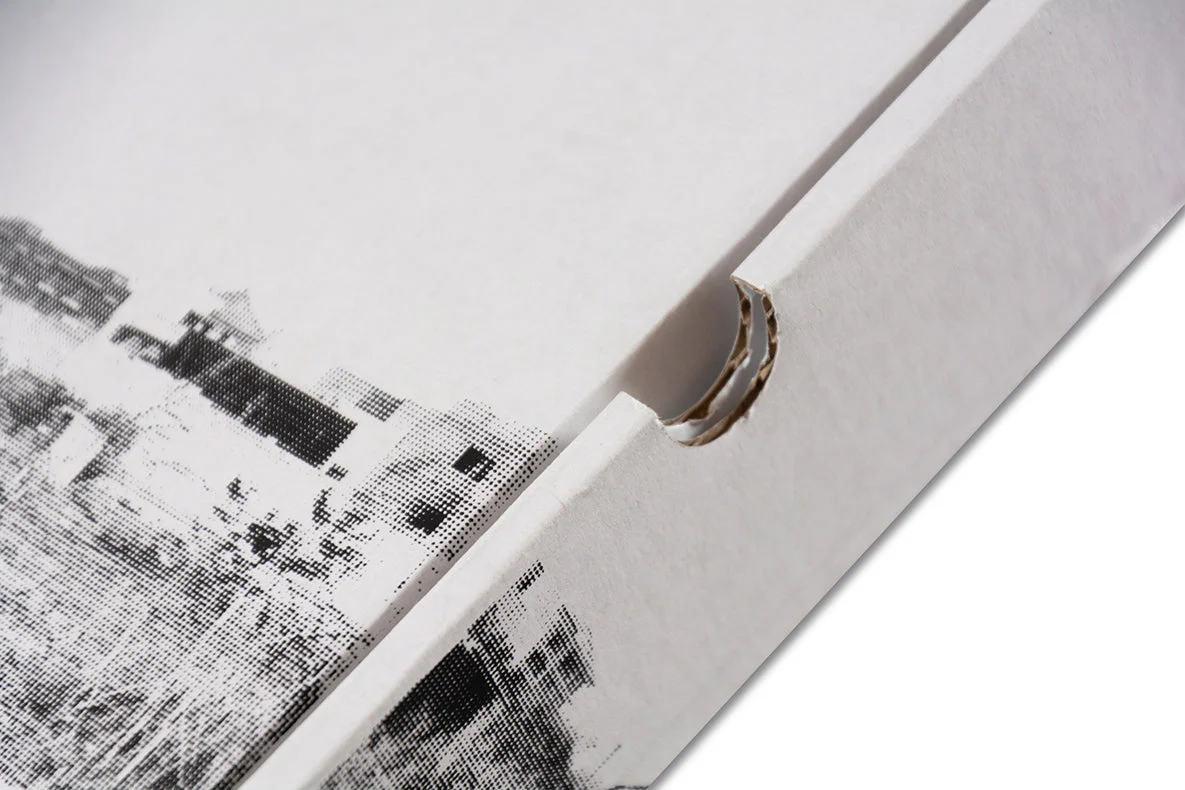
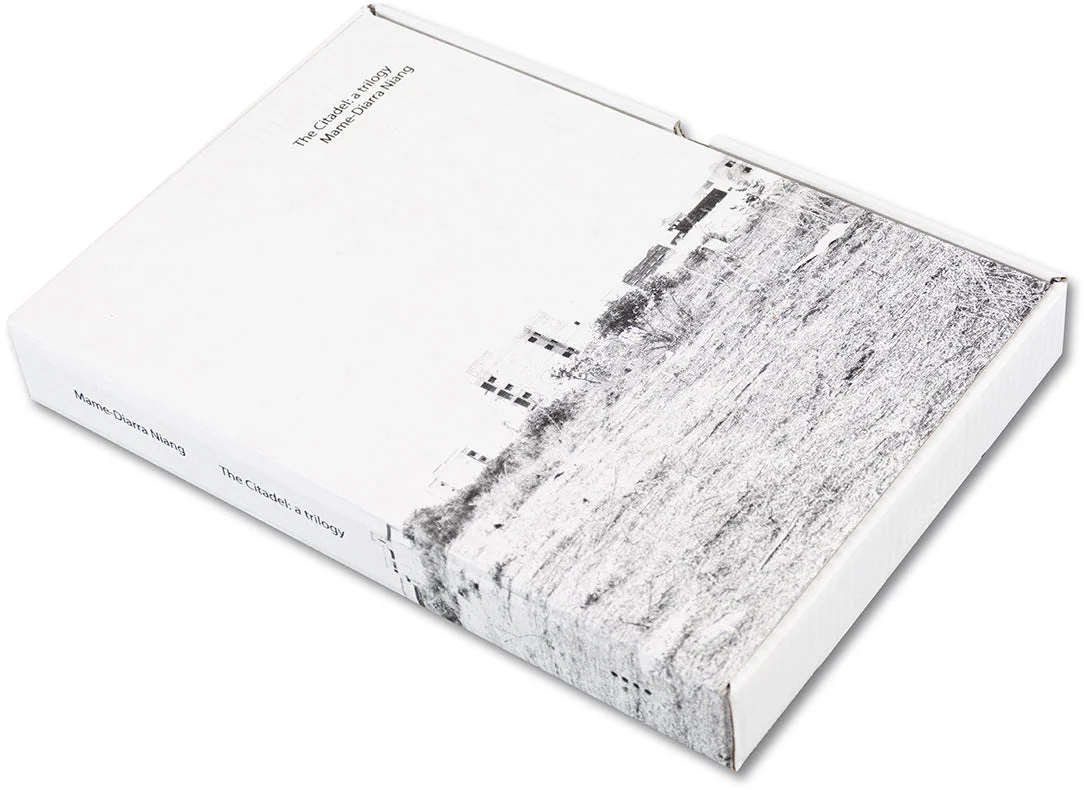
In these works, collected here in an expansive and tactile three-volume edition, a personal but analytic relationship with place emerges. City names and geographic coordinates dissolve and become as irrelevant as the visions imposed on them across history and today.
Original: $117.14
-65%$117.14
$41.00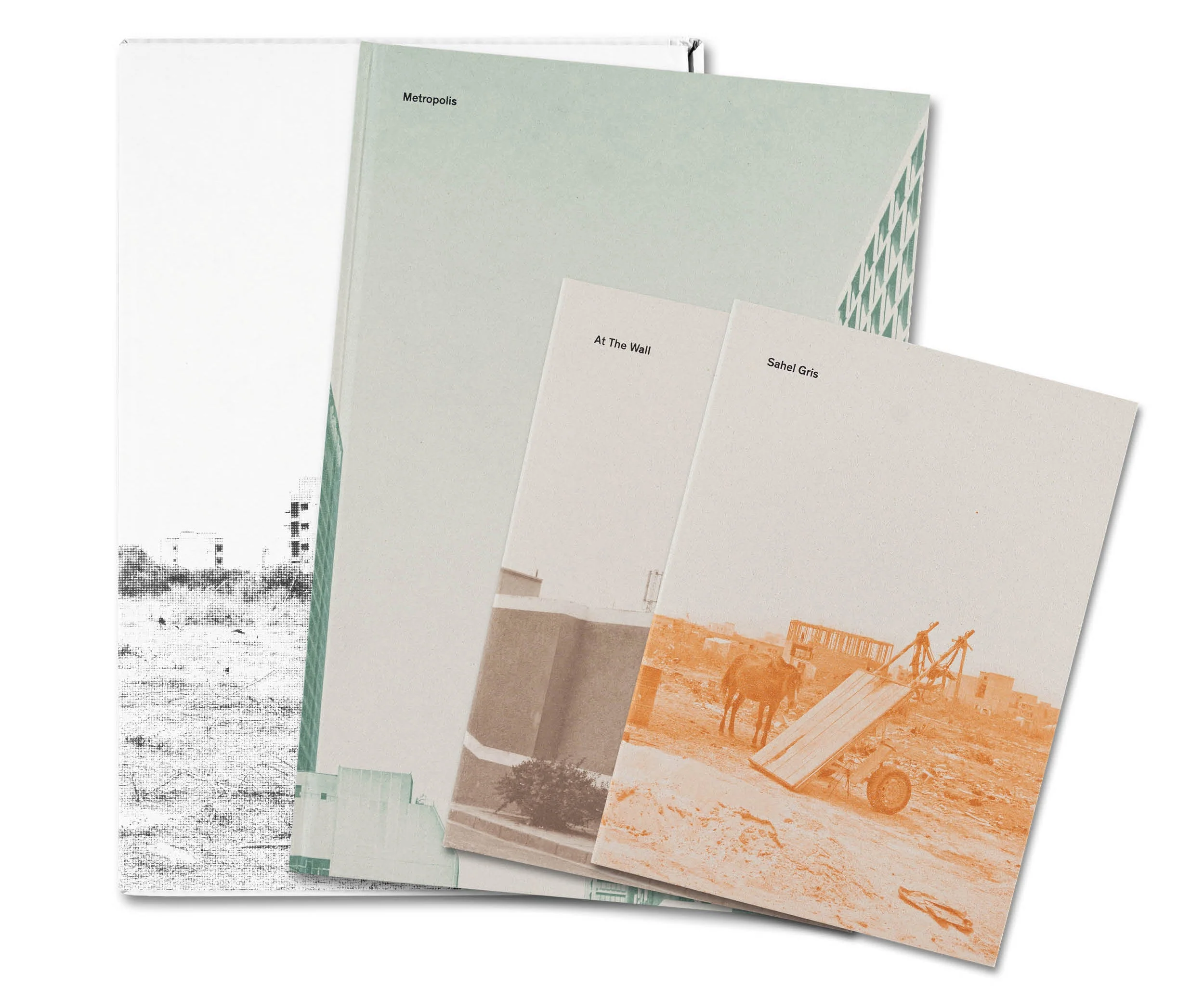
Description
The Citadel is the story of an inner journey, told in three movements. It maps a route through discovery, loss, and renewal across landscapes equally real and imagined by the artist. In 2007, Mame-Diarra Niang returned to Senegal to bury her father after spending years away living in France. Her intimate interest in the notion of territory translates into a refracted representation of the landscapes she rediscovered on this visit. The places before Niang’s lens are at once forensically studied and transformed into fabular non-places.
Sahel Gris depicts a no-man’s land where infrastructural projects lay abandoned to the dust. It holds the roots of The Citadel, its ‘ground zero’, where the continuous horizon line evokes a state of permanent suspension between movement and inertia. In At the Wall, Niang pauses at a place of rest and interrogation, an oracle, and the gate to The Citadel. In Metropolis, Niang steps finally into the belly of the beast, looking outwards from within the crowded urban superficies that constantly shift before her eyes, dazzling in the southern light. At the centre of Niang’s vision is the notion of ‘the plasticity of territory’, in which a personal investigation of place becomes indistinguishable from the photographer’s own metamorphosis, and landscape becomes a ‘material for producing many selves.’
In these works, collected here in an expansive and tactile three-volume edition, a personal but analytic relationship with place emerges. City names and geographic coordinates dissolve and become as irrelevant as the visions imposed on them across history and today.